Seven Ways to Build Your Online Presence as an Author (With an Action Plan)

Building an online presence as an author is a deeply personal and strategic endeavor. Where you choose to show up should align with your author identity, your audience, and what feels sustainable for you. There’s no “one way” to do it, just options that help you build an authentic and effective digital footprint. Below are seven key ways to strengthen your online presence, followed by an actionable plan to help you put these strategies into motion.
1. Website Content and Blogging
Your website is your digital home base where readers can learn more about you, your books, and your journey. A well-designed author website provides credibility, centralizes your content, and acts as the primary hub for your marketing efforts.
Why it matters:
Establishes your professional presence.
Improves SEO, making it easier for readers to discover you.
Provides a space to share updates, blogs, and exclusive content.
Action Steps:
Set up an author website with an engaging bio, book information, and a blog.
Publish blog content regularly to drive traffic and establish authority.
Optimize your website with keywords related to your genre and expertise.
2. Email Marketing
Social media algorithms change constantly, but an email list gives you direct access to your readers. Email marketing is one of the most reliable ways to build relationships, share updates, and even promote book launches.
Why it matters:
Bypasses social media algorithms for direct communication.
Builds long-term relationships with dedicated readers.
Can be monetized through book sales, exclusive content, or paid newsletters.
Action Steps:
Set up an email list using a platform like Mailchimp, ConvertKit, or Flodesk. Many website hosts (like Squarespace and Wix) have their own email marketing tools.
Offer a compelling incentive for sign-ups (e.g., a free short story, exclusive behind-the-scenes content).
Send regular newsletters with valuable content, not just promotions.
3. Social Media
Instagram, Threads, TikTok, Facebook, and Twitter (X) offer dynamic ways to connect with your audience. Whether through bookstagram aesthetics, short-form videos, or interactive Q&As, social media lets you showcase your personality and engage with readers in real-time.
Why it matters:
Helps you build a personal brand.
Allows for direct engagement with fans and potential readers.
Provides insight into what resonates with your audience.
Action Steps:
Choose platforms that feel natural to you and align with where your readers are.
Post consistently with a mix of promotional, personal, and interactive content.
Engage with your followers by responding to comments and participating in conversations.

4. Pinterest
Pinterest isn’t just for recipes and DIY, it’s a powerful traffic driver for authors. Because it’s a search engine, well-crafted pins can lead potential readers to your website and blog for months or even years.
Why it matters:
Increases website traffic through long-term searchability.
Provides an evergreen source of readers discovering your work.
Action Steps:
Create visually appealing pins linked to your blog posts and website.
Use keywords in your pin descriptions to improve searchability.
Pin consistently to stay active in the algorithm.
5. Writing Platforms (Substack, Medium, etc.)
Platforms like Substack and Medium allow you to publish articles, essays, or serialized fiction while reaching new audiences.
Why it matters:
Builds authority in your niche or genre.
Expands your reach with minimal gatekeeping.
Offers potential monetization opportunities.
Action Steps:
Choose a platform aligned with your writing style and audience.
Publish regularly to build a following.
Use internal linking to drive readers back to your website or newsletter.
6. Online Magazines and Literary Publications
Getting published in reputable online magazines and literary journals increases your visibility and credibility. It also introduces you to new readers who might not have found you otherwise.
Why it matters:
Expands your audience through established platforms.
Boosts credibility and can lead to further publishing opportunities.
Action Steps:
Research literary magazines and online publications in your niche.
Submit articles, essays, or short stories to these platforms.
Use your published work to establish authority in your field.
7. Communication Apps (WhatsApp, Discord, etc.)
For authors looking to foster deeper connections, private communities on platforms like WhatsApp or Discord can create intimate spaces for discussion, fan engagement, and exclusive content sharing.
Why it matters:
Encourages community-building with dedicated readers.
Provides a direct channel for interaction without social media distractions.
Action Steps:
Start a private group for your most engaged readers.
Offer exclusive content, discussions, or early access to new releases.
Keep the community active with regular engagement.

Action Plan: Building Your Online Presence
1. Build Your Content Strategy
What type of content will you create? Outline a content plan for each platform you choose.
Example:
Website Blog: Monthly articles on writing tips and book insights.
Instagram: Daily posts featuring quotes, snippets of current projects, and interactive Q&As.
Newsletter: Bi-weekly updates with sneak peeks, exclusive offers, and personal stories.
2. Collaborate and Network
How will you build connections? List ways to collaborate with other writers, influencers, or organizations.
Example:
Guest post on a popular book blog.
Partner with fellow authors for a giveaway.
Join online writers’ groups to exchange ideas and support each other.
Pitch a local bookstore to host an author event.
3. Evaluate and Adjust
How will you measure success? Identify key metrics to track your progress and optimize your strategy.
Example:
Website Traffic: Aim for a 10% increase in visitors over three months.
Email Open Rates: Monitor subscriber engagement and tweak content accordingly.
Social Media Engagement: Analyze top-performing posts and adjust content strategy.
Quarterly Review: Assess which platforms are working best and refine your approach.
Building your online presence as an author should be an enjoyable and strategic process—not a chore. Choose platforms and strategies that excite you, align with your author brand, and genuinely help you connect with your audience. Consistency, authenticity, and adaptability will ensure long-term success. Now, take these steps and start building an online presence that truly reflects your voice and vision!
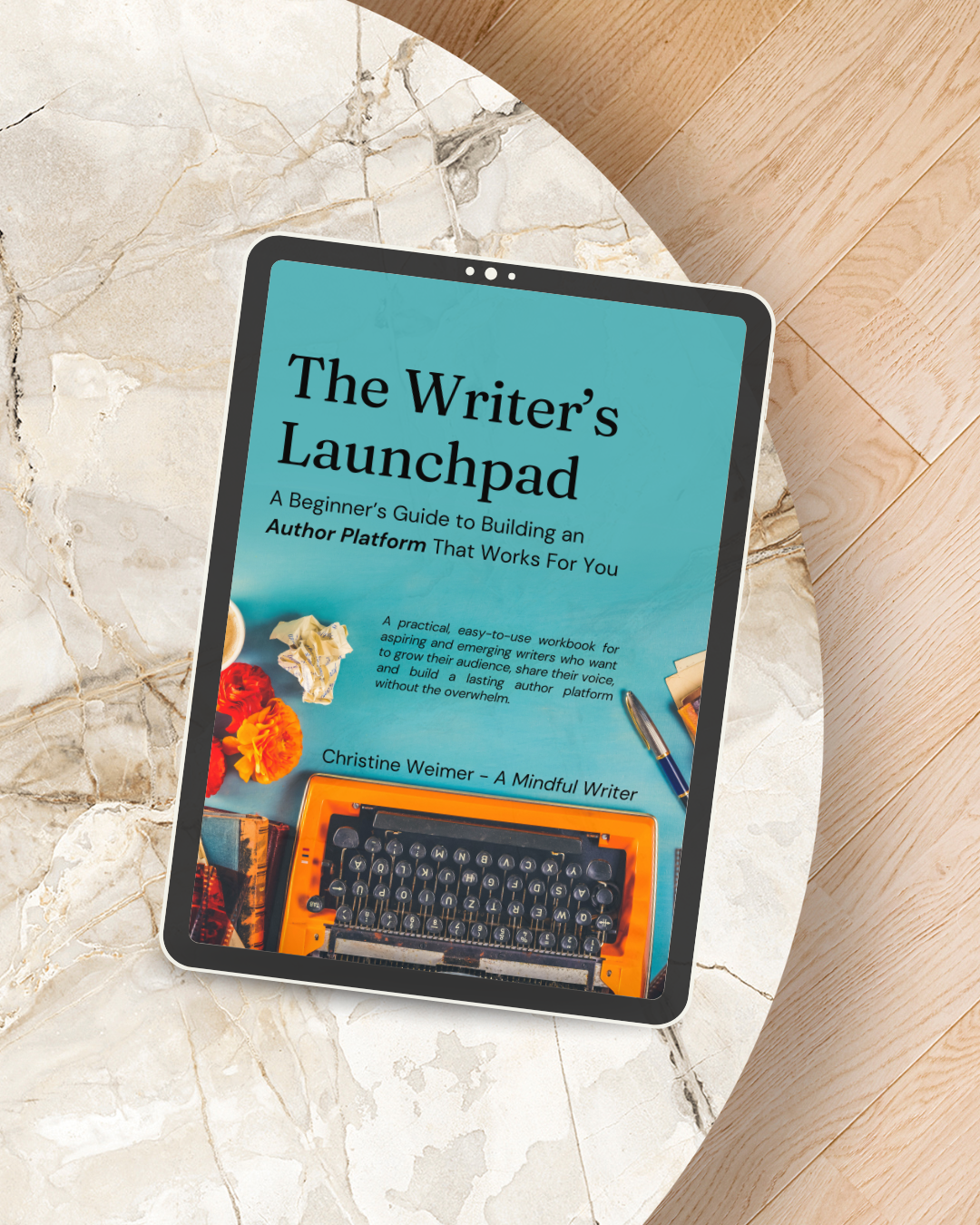
Download The Writer’s Launchpad: A Beginner’s Guide to Building an Author Platform That Works For You
The Writer’s Launchpad is a workbook that’s here to help you cut through the BS of what it means to have a “platform” and build something real. Something sustainable. Something that grows with you, not something you build once and abandon. This isn’t about chasing trends or going viral. It’s about showing up with your voice, your story, and your energy on your terms.
Inside, you’ll get:
12 deep-dive lessons on key areas of platform-building (think: identity, readers, website, blogging, lead magnets, email, SEO, social media, submissions, PR, and more)
Guided prompts, action steps, and reflection exercises to turn ideas into actual progress
A final planning worksheet to map out your next 90 days (so you’re not just learning, but doing)
Suggested reading and affirmations for each chapter, because this journey is as much about mindset as it is about strategy
This workbook isn’t a step-by-step “this is the only way” manual. It’s a resource to help you zoom out, explore all the possibilities, and figure out what feels right for you.
Ready to Build a Platform That Actually Feels Like You?
You’re a writer. You’ve got words on the page, a story you care about, maybe even a whole book under your belt. But when it comes to getting your work out there—to finding readers, building your audience, growing your presence in the literary world—it can feel like a giant black hole of “shoulds,” algorithms, and overwhelming advice that doesn’t seem made for you.
You’ve heard you need a platform. You’ve seen the authors with big followings, the “rules” about social media, the pressure to do all the things. But no one ever sat you down and explained what an author platform really is, why it matters, or how to build one that feels aligned with your writing life.
That’s why I created The Writer’s Launchpad, a workbook that’s here to help you cut through the BS of what it means to have a “platform” and build something real. Something sustainable. Something that grows with you, not something you build once and abandon.
This isn’t about chasing trends or going viral. It’s about showing up with your voice, your story, and your energy on your terms.
Inside, you’ll get:
12 deep-dive lessons on key areas of platform-building (think: identity, readers, website, blogging, lead magnets, email, SEO, social media, submissions, PR, and more)
Guided prompts, action steps, and reflection exercises to turn ideas into actual progress
A final planning worksheet to map out your next 90 days (so you’re not just learning, but doing)
Suggested reading and affirmations for each chapter, because this journey is as much about mindset as it is about strategy
This workbook isn’t a step-by-step “this is the only way” manual. It’s a resource to help you zoom out, explore all the possibilities, and figure out what feels right for you.
Some lessons will light you up and feel like a full-body YES. Others might be more of a hmm, maybe later. That’s exactly the point. You get to choose what to focus on, when to dive in, and how to build a platform that fits your voice, your goals, and your life.
Whether you’re just starting to dream of publishing, have a finished manuscript, or are already a published author feeling like your platform is a little… wobbly… this workbook will meet you where you are.
Who It’s For:
This guide is for writers who are ready to:
Stop overthinking and start taking aligned action
Build a platform that’s sustainable, not stressful
Create a community around their work, not just a following
Share their voice with confidence (even if they’re not “good at marketing”)
What Writers Are Saying:
“This workbook helped me realize platform-building doesn’t have to feel gross. It feels like I’m creating something instead of just trying to sell.”
“Christine’s approach is so real and down-to-earth. I finally feel like I have a roadmap that makes sense.”
Your platform doesn’t have to be perfect. It just has to be yours. Let The Writer’s Launchpad help you build it, one intentional step at a time.
Pages: 57