The 6 Best Books for Creative Nonfiction Writers, Including Poetry & Memoir
Creative nonfiction asks something unique of writers. Unlike fiction, where we have the freedom to invent, memoir, essays, narrative nonfiction, and poetry require us to work with what already exists with memory, lived experience, observation, and the often messy complexity of real life. The challenge isn't creating something from nothing. It's discovering meaning within what has already happened and finding the language to express it with honesty, precision, and emotional depth.
That is precisely what makes these genres so rewarding. The best creative nonfiction doesn't simply tell us what happened. It helps us understand why it mattered. Whether through memoir, personal essays, literary journalism, or poetry, these forms invite us to pay closer attention to ourselves, to others, and to the world around us. They remind us that ordinary moments often contain extraordinary stories if we're willing to look deeply enough.
As a developmental editor, writing mentor, and ghostwriter, I work with many writers who assume that because they're writing about their own lives—or about true events—they don't need to study craft in the same way novelists do. In reality, the opposite is often true. Writing compelling creative nonfiction requires an incredible balance of storytelling, reflection, vulnerability, structure, and restraint. Learning how to shape lived experience into meaningful literature is a craft in its own right.
The books below have become some of my favorite resources for writers of memoir, essays, literary nonfiction, and poetry. Some focus on clarity and style, others on emotional truth or imagination. Still, all of them share one goal: helping writers transform lived experience into writing that resonates long after the final page.
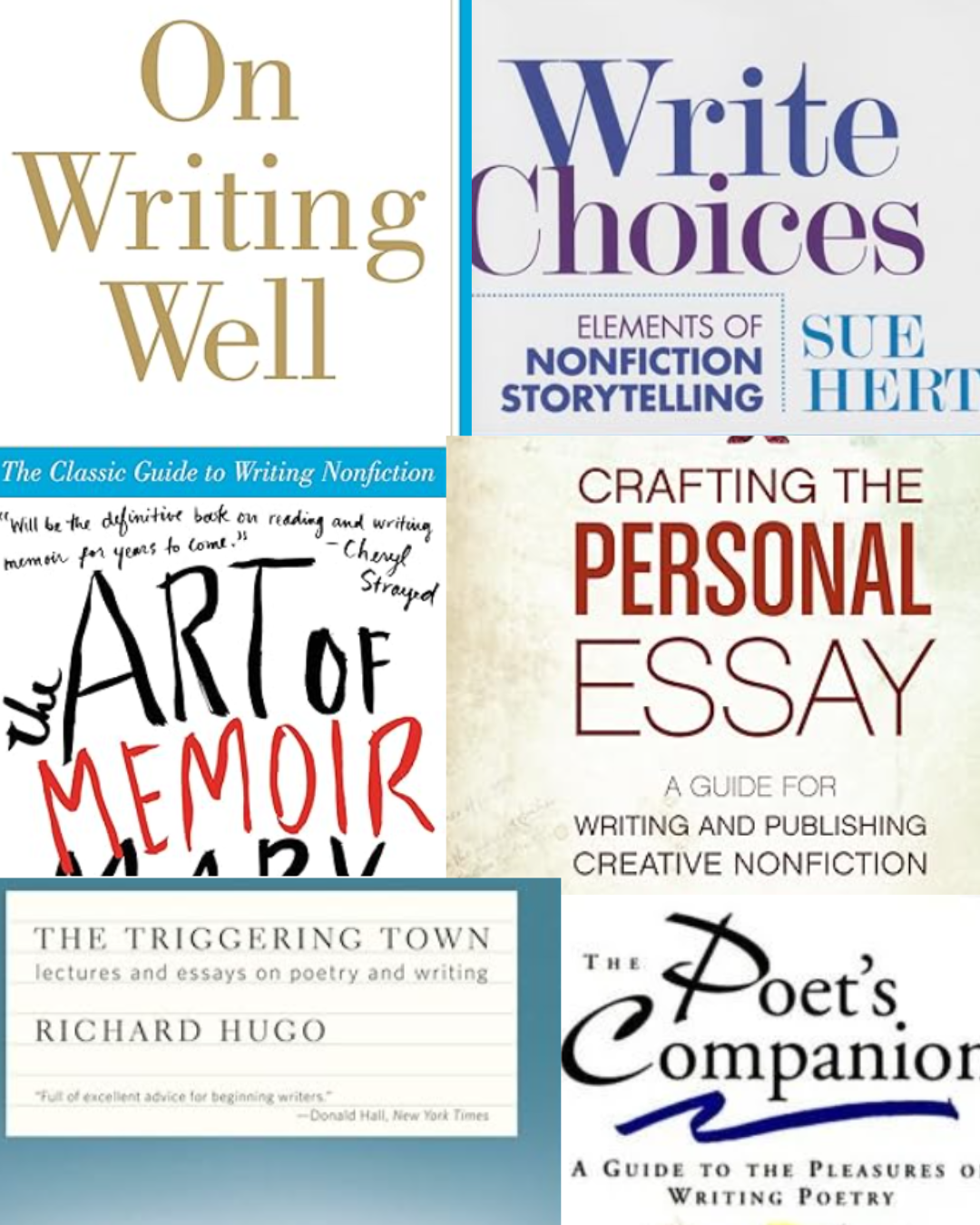
On Writing Well: The Classic Guide to Writing Nonfiction by William Zinsser
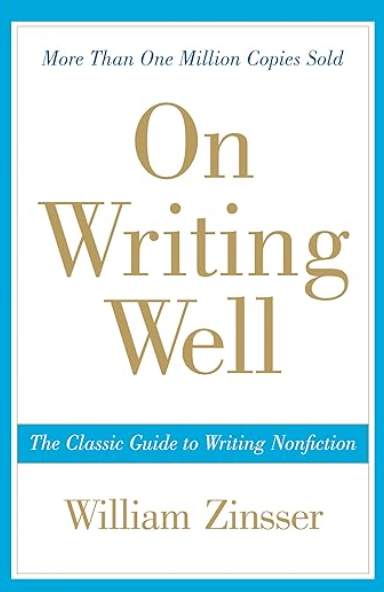
Few books have shaped nonfiction writing as profoundly as On Writing Well. Zinsser champions simplicity, clarity, and precision, encouraging writers to strip away unnecessary language until only the strongest ideas remain. Although originally written for nonfiction writers, its lessons about style, revision, and respecting the reader apply to nearly every form of writing. If you've ever been told your writing feels cluttered or overwritten, this book offers timeless advice for creating prose that is both elegant and accessible.
Best for: Nonfiction writers who want to write with greater clarity and confidence.
Buy at Bookshop.org or Amazon.com
The Art of Memoir by Mary Karr
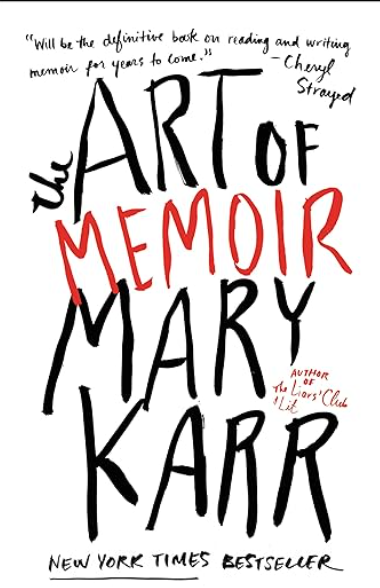
Memoir isn't simply the story of a life—it's an exploration of what that life has meant. Mary Karr argues that great memoir is built on curiosity, emotional honesty, and a willingness to interrogate one's own experiences rather than simply recount them. Throughout the book, she examines memory, truth, vulnerability, and the ethical responsibilities of writing about real people, drawing on examples from both her own work and other celebrated memoirists. The result is a thoughtful meditation on what elevates memoir from autobiography into literature.
Best for: Memoirists who want to write with emotional depth, honesty, and literary intention.
Buy at Bookshop.org or Amazon.com
Crafting the Personal Essay by Dinty W. Moore
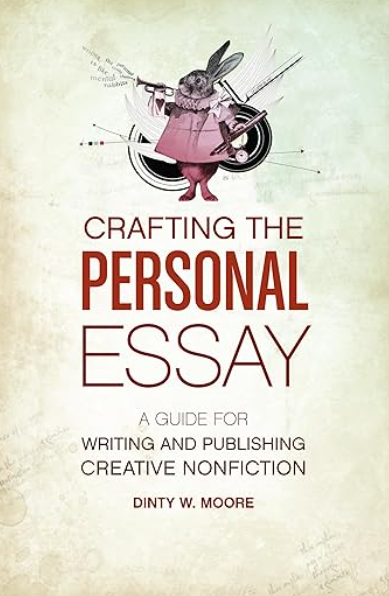
The personal essay occupies a unique space between storytelling and reflection, and Dinty W. Moore is one of its most trusted guides. This book explores how essays are shaped, how narrative and insight work together, and how writers can transform ordinary experiences into pieces that resonate with readers. Moore also offers practical advice on revision and publication, making this an excellent resource for anyone interested in submitting creative nonfiction to literary magazines or building an essay collection.
Best for: Writers of personal essays and literary creative nonfiction.
Buy at Bookshop.org or Amazon.com
Write Choices: Elements of Nonfiction Storytelling by Sue Hertz
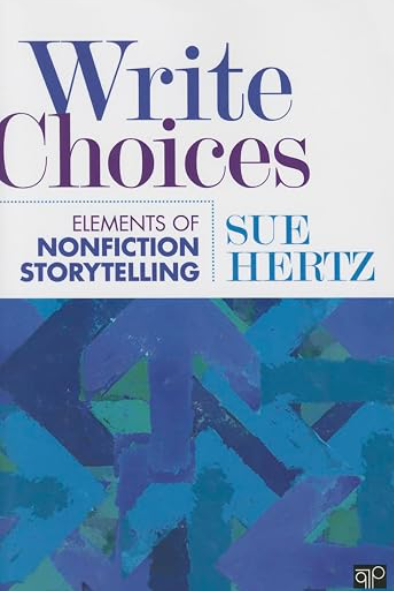
One of the greatest challenges in nonfiction is learning how to tell a true story with the momentum and emotional impact of fiction. Sue Hertz explores the countless creative decisions involved in that process, from structuring scenes and pacing information to developing voice and navigating the ethical considerations that come with writing about real people. Rather than treating nonfiction as simply a collection of facts, Write Choices demonstrates how careful storytelling can transform information into something memorable and deeply human.
Best for: Memoirists, journalists, and narrative nonfiction writers who want to strengthen their storytelling.
Buy at Bookshop.org or Amazon.com
The Poet's Companion by Kim Addonizio and Dorianne Laux
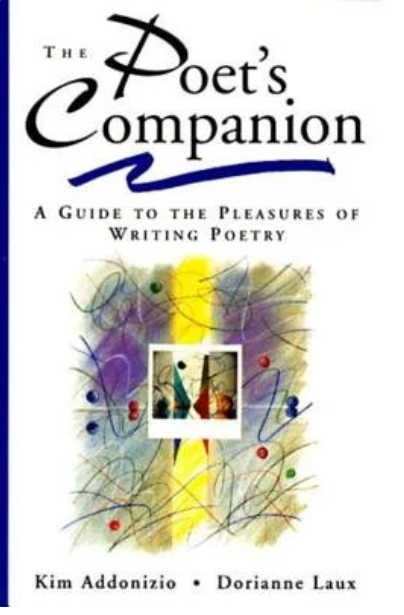
Warm, generous, and deeply encouraging, The Poet's Companion invites writers to approach poetry with curiosity rather than intimidation. Through discussions of imagery, metaphor, sound, rhythm, line breaks, and emotional authenticity, Addonizio and Laux demonstrate that poetry begins not with trying to sound poetic but with learning how to notice the world more closely. Filled with writing prompts and examples, it's an excellent resource for poets while also offering prose writers a richer understanding of language and imagery.
Best for: Poets and prose writers looking to strengthen their command of language.
Buy at Bookshop.org or Amazon.com
The Triggering Town: Lectures and Essays on Poetry and Writing by Richard Hugo
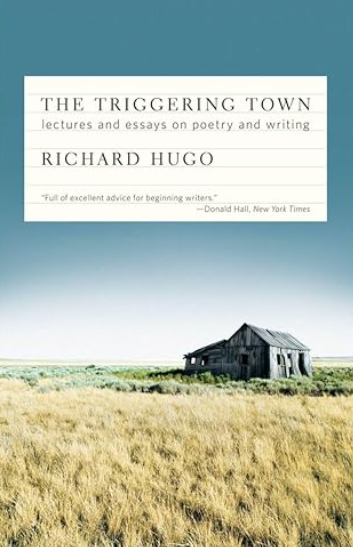
Although written with poets in mind, The Triggering Town is ultimately a book about imagination. Richard Hugo explores where poems begin, how language generates unexpected discoveries, and why the emotional truth of a piece often matters more than factual accuracy. His essays encourage writers to embrace uncertainty, follow surprising associations, and trust the creative process rather than trying to control it. While poets will find it indispensable, prose writers interested in imagery, voice, and associative thinking will also come away with a richer understanding of language.
Best for: Poets and literary writers interested in imagination, imagery, and creative freedom.
Buy at Bookshop.org or Amazon.com
Finding the Story Within
Having an interesting life doesn’t automatically make for an interesting book. In truth, compelling nonfiction isn't created by extraordinary experiences alone. It's created by the writer's willingness to examine those experiences with curiosity, honesty, and intention. The same is true of poetry. Powerful poems aren't born from trying to sound poetic; they're born from paying attention, noticing what others overlook, and finding language that reveals something essential about being human.
The books on this list each approach that work from a different angle. Some teach the importance of clarity and structure, others encourage emotional vulnerability, and others remind us to trust imagery, intuition, and the unexpected connections that emerge through language. Together, they offer a foundation for writers who want to move beyond simply recounting events and begin creating work that lingers with readers long after they've finished reading.
Of course, reading about the craft is only one part of the process. Applying those lessons to your own work is where meaningful growth happens. Whether you're shaping a memoir, refining a personal essay, developing a collection of poems, or writing a narrative nonfiction book, having thoughtful feedback can make the difference between simply telling your story and telling it in a way that truly connects.
If you're looking for support along the way, I'd love to help. Through writing mentorship, developmental editing, manuscript evaluations, publishing advisement, and ghostwriting, I work with writers to strengthen both the craft and the heart of their work. My goal is never to change your voice. It's to help you uncover it more fully and shape your experiences into writing that is authentic, compelling, and deeply human.
Oh, and follow me on The Storygraph so we can read together. If you’re still using Goodreads as a book tracking app, check out my blog about why Goodreads is out and The Storygraph is in!
*This blog does contain affiliate links related to Bookshop.org and Amazon.com*