The 8 Best Foundational Writing Craft Books Every Writer Should Read
Every writer reaches a point where they realize that talent alone isn't enough.
You can have a compelling idea, a unique voice, or a story you've been waiting years to tell, but without an understanding of the craft, it's difficult to fully realize the potential of your work. Like any art form, writing rewards curiosity, study, and a willingness to continually learn. The writers we admire most didn't simply write, they spent years reading, analyzing, experimenting, and refining their understanding of how language and storytelling work.
The good news is that you don't need to figure it all out on your own. Some of the greatest writers, editors, teachers, and literary thinkers have already devoted their careers to understanding why certain stories resonate, why some sentences linger, and what transforms a collection of words into something unforgettable. Their books allow us to learn not only from our own writing, but from decades of accumulated wisdom and experience.
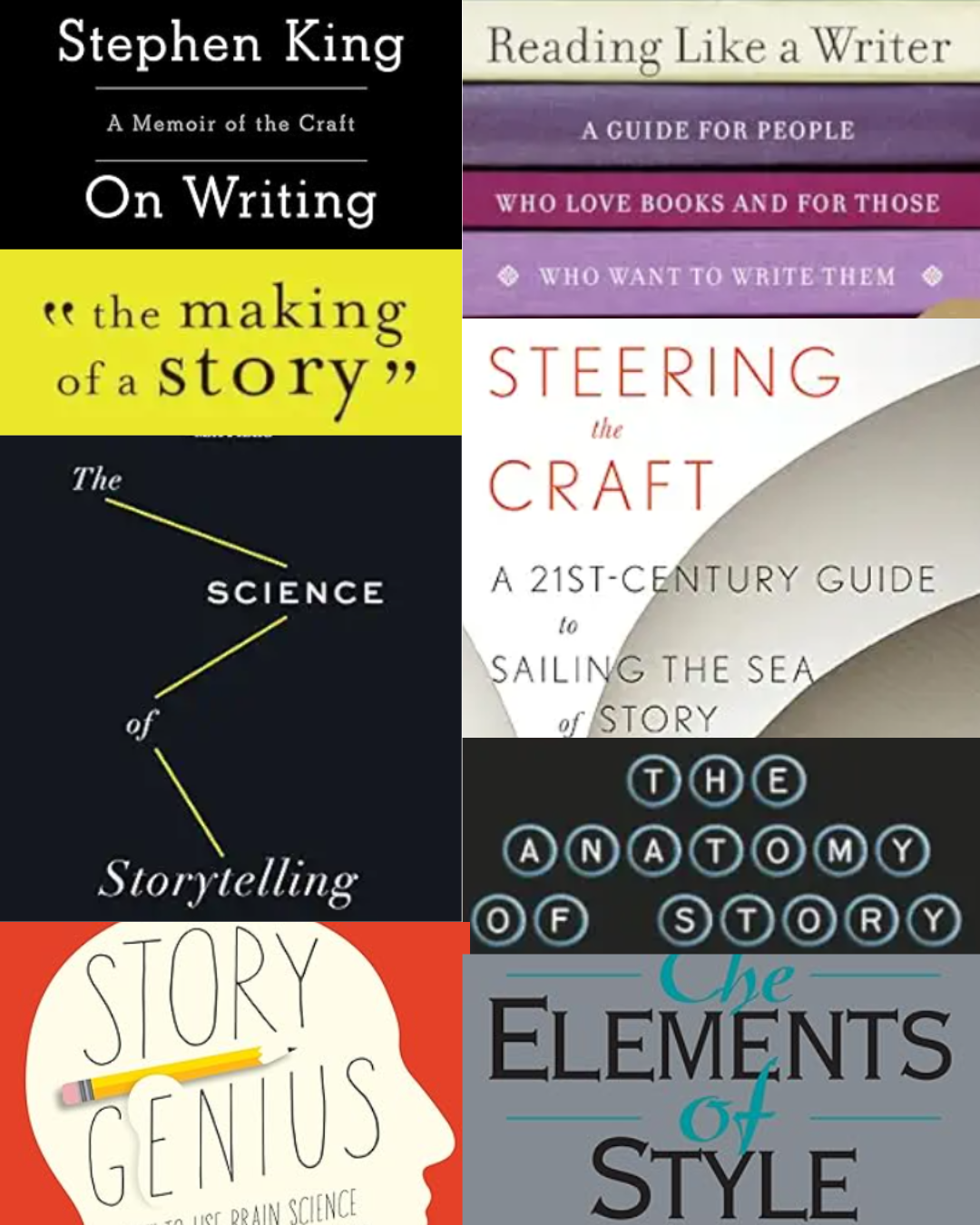
As a developmental editor, publishing advisor, ghostwriter, and writing mentor, I'm often asked where writers should begin. With so many books on writing available, it's easy to become overwhelmed or spend time reading resources that don't align with the stage of writing you're actually in. While there are countless excellent books devoted to specific genres or aspects of the craft, the books below are the ones I consider foundational. They teach principles that transcend genre and experience level, offering lessons that every writer—from complete beginners to seasoned authors—can return to throughout their creative lives.
Whether you're writing fiction, memoir, essays, poetry, or narrative nonfiction, these are the books I believe belong on every writer's bookshelf.
On Writing: A Memoir of the Craft by Stephen King
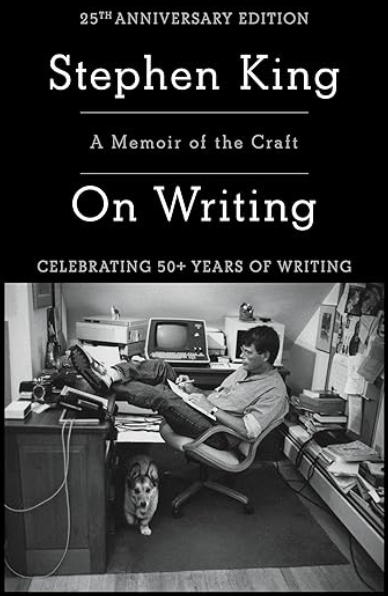
Part memoir and part craft book, On Writing has become a modern classic because it does something many writing books fail to do: it reminds us that writing is both an art and a discipline. King shares stories from his own life alongside practical advice on vocabulary, dialogue, revision, description, and developing your voice, all while emphasizing that the best writers are, first and foremost, dedicated readers. His tone is refreshingly direct without ever feeling inaccessible, making this an excellent starting point for writers who want both encouragement and practical guidance.
Best for: Writers of any genre who want a thoughtful introduction to the writing life.
Buy at Bookshop.org or Amazon.com
Reading Like a Writer: A Guide for People Who Love Books and for Those Who Want to Write Them by Francine Prose
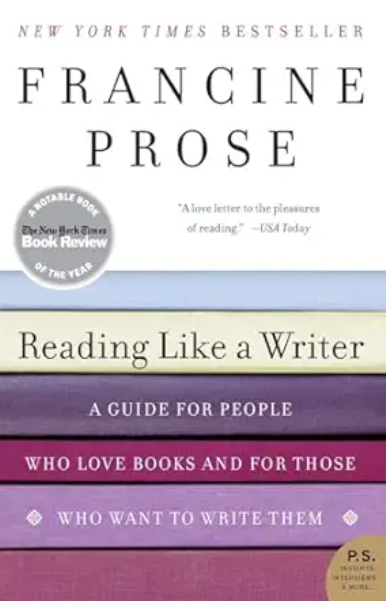
One of the greatest lessons a writer can learn is how to pay closer attention while reading, and that's precisely what Francine Prose teaches here. Rather than offering formulas or templates, she invites readers to slow down and examine how accomplished authors construct scenes, shape dialogue, build characters, and craft memorable sentences. By studying literature with intention, writers begin to understand not just what works, but why it works. It's a book that fundamentally changes the way you read, which inevitably changes the way you write.
Best for: Writers who want to sharpen their craft by becoming more observant readers.
Buy at Bookshop.org or Amazon.com
The Making of a Story: A Norton Guide to Creative Writing by Alice LaPlante
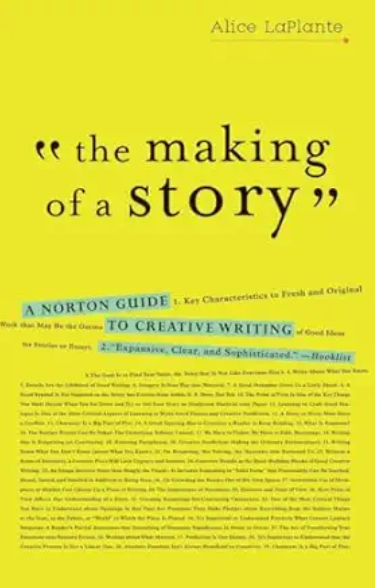
Equal parts textbook, anthology, and workbook, The Making of a Story provides one of the most comprehensive introductions to creative writing available. LaPlante covers everything from scene construction and dialogue to point of view, characterization, revision, and creative nonfiction, pairing each lesson with examples from accomplished writers and practical exercises. While beginners will appreciate its breadth, more experienced writers often return to it as a reference throughout the drafting and revision process.
Best for: Writers looking for a comprehensive education in both fiction and creative nonfiction.
Buy at Bookshop.org or Amazon.com
Steering the Craft: A Twenty-First-Century Guide to Sailing the Sea of Story by Ursula K. Le Guin
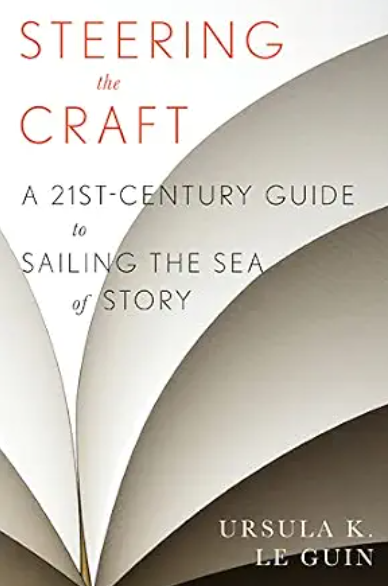
Few writers understand language as deeply as Ursula K. Le Guin, and Steering the Craft reflects decades of thinking about the art of storytelling. Rather than focusing on plot or publishing, Le Guin turns her attention to the sentence itself—rhythm, syntax, point of view, narration, dialogue, repetition, and the music of prose. Each chapter includes practical exercises that encourage experimentation rather than rigid adherence to rules, making the book feel less like a textbook and more like a workshop led by one of literature's great teachers. It rewards slow reading and repeated practice, offering insights that continue to reveal themselves as writers grow in experience.
Best for: Writers who want to strengthen their prose at the sentence level while developing greater awareness of narrative technique.
Buy at Bookshop.org or Amazon.com
The Science of Storytelling: Why Stories Make Us Human and How to Tell Them Better by Will Storr
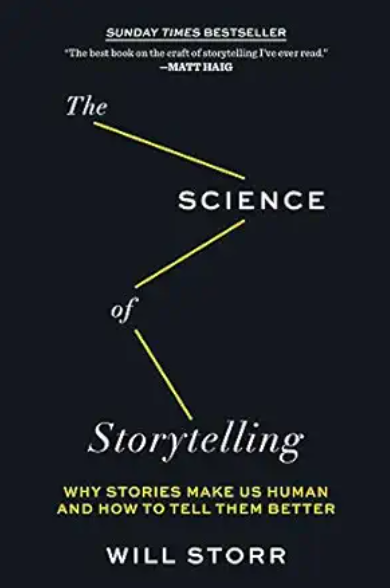
Drawing from neuroscience, psychology, and evolutionary biology, Storr explores why stories have such a profound effect on the human mind. Rather than teaching storytelling through rules alone, he explains why readers respond emotionally to conflict, character, and transformation in the first place. It's an illuminating read for anyone interested in the psychology behind narrative.
Best for: Writers who enjoy understanding not just how stories work, but why they work.
Buy at Bookshop.org or Amazon.com
The Anatomy of Story: 22 Steps to Becoming a Master Storyteller by John Truby
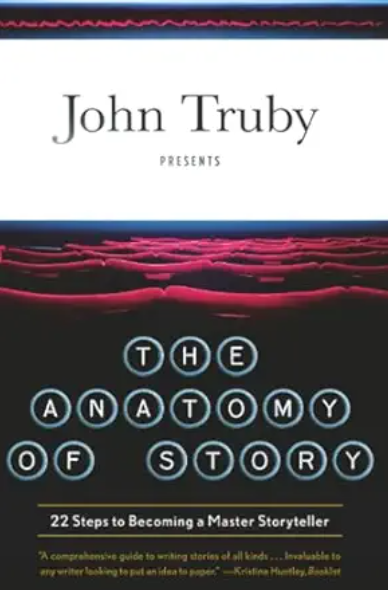
Rather than relying on rigid plot formulas, Truby examines storytelling through the lens of character transformation. He demonstrates how plot, desire, conflict, moral choice, and theme intertwine to create narratives that feel inevitable rather than mechanical. Dense but immensely rewarding, this is the kind of book writers return to again and again as their understanding of storytelling deepens.
Best for: Novelists and screenwriters struggling with story structure.
Buy at Bookshop.org or Amazon.com
Story Genius: How to Use Brain Science to Go Beyond Outlining and Write a Riveting Novel (Before You Waste Three Years Writing 327 Pages That Go Nowhere) by Lisa Cron
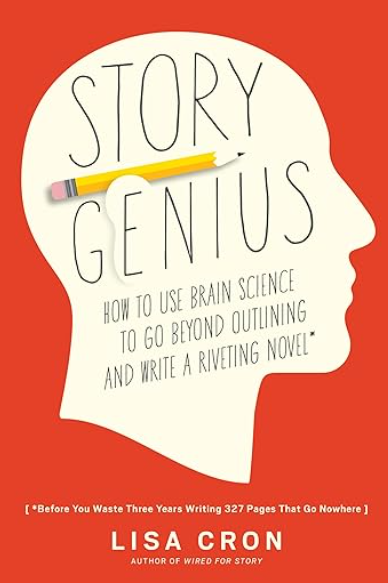
Few books challenge traditional outlining advice as effectively as Story Genius. Lisa Cron argues that many writers begin planning in the wrong place by focusing on plot before understanding why their story matters psychologically. Drawing from neuroscience and cognitive science, she demonstrates how character motivation, internal conflict, and worldview should become the foundation upon which every scene is built. Rather than asking, "What happens next?" Cron encourages writers to ask, "Why does this matter to my protagonist?" It's a perspective that can fundamentally change the way writers approach story development.
Best for: Writers who want to build emotionally resonant stories rooted in character psychology.
Buy at Bookshop.org or Amazon.com
The Elements of Style by William Strunk Jr. and E. B. White
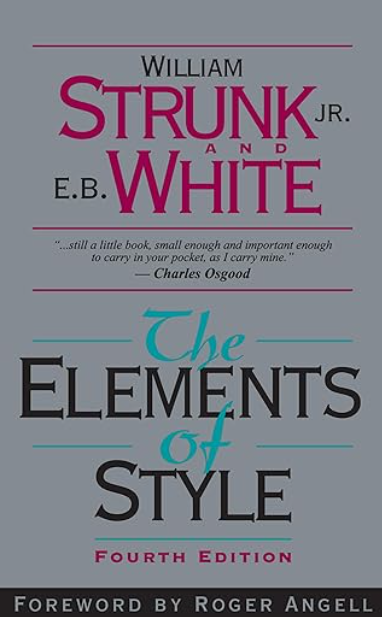
No discussion of writing books would be complete without The Elements of Style. For decades, it has served as a concise guide to grammar, usage, and stylistic principles, encouraging writers to favor clarity over complexity and precision over excess. While some of its advice reflects an earlier era of English usage and shouldn't be treated as absolute law, its central message remains remarkably relevant: good writing is often the result of thoughtful revision and careful attention to language. It's less a comprehensive grammar textbook than a handbook you'll find yourself reaching for whenever you need a quick reminder about the fundamentals.
Best for: Writers who want a reliable reference for grammar, usage, and stylistic clarity.
Buy at Bookshop.org or Amazon.com
Building Your Foundation
Writing is one of those rare crafts where there is always more to learn. Every manuscript presents new challenges, every revision teaches new lessons, and every great book we read expands our understanding of what language and storytelling can accomplish. That's why the strongest writers rarely stop studying the craft. They remain students of writing throughout their entire careers.
The books on this list provide an exceptional place to begin because they establish the core principles that every writer can build upon. From there, you may find yourself exploring more specialized resources on fiction, memoir, poetry, outlining, revision, or the creative life itself. But no matter what genre you write, these foundational books will continue to serve as valuable companions, offering new insights each time you return to them.
Of course, studying the craft is only part of the journey. Growth happens when those lessons are applied to your own work, tested through practice, and refined through thoughtful feedback. Whether you're just beginning your first manuscript or preparing one for publication, having experienced guidance can help bridge the gap between understanding the craft and confidently putting it into practice.
If you're looking for support along the way, I'd love to help. Through developmental editing, manuscript evaluations, writing mentorship, publishing advisement, and ghostwriting, I work with writers at every stage of the creative process, helping them strengthen not only their manuscripts but also their confidence and clarity as storytellers.
Oh, and follow me on The Storygraph so we can read together. If you’re still using Goodreads as a book tracking app, check out my blog about why Goodreads is out and The Storygraph is in!
*This blog does contain affiliate links related to Bookshop.org and Amazon.com*