The 8 Best Fiction Writing Craft Books
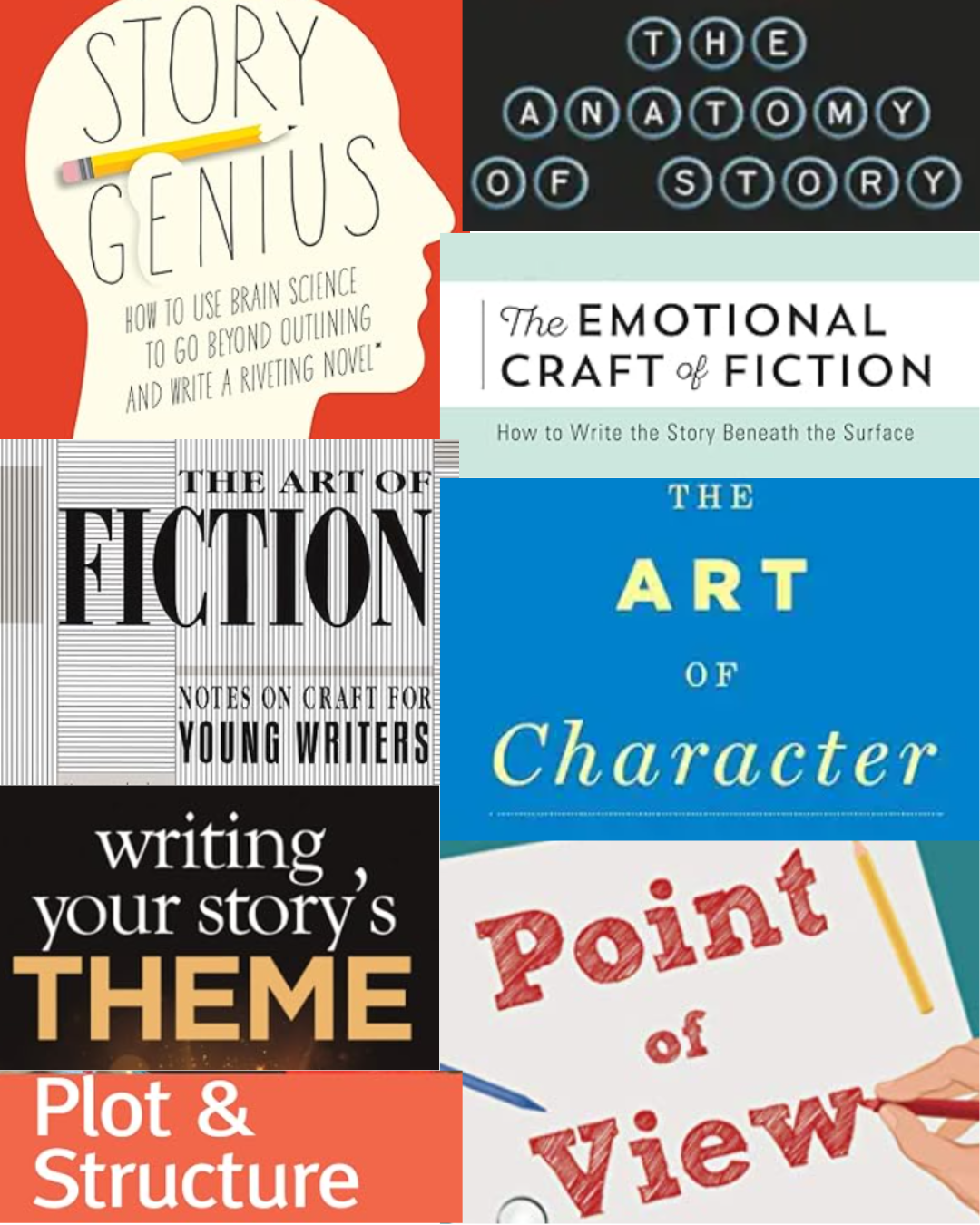
Writing fiction is one of the most extraordinary balancing acts in the creative world. Novelists are asked to invent characters who feel real, construct plots that feel inevitable, create settings readers can inhabit, and weave all of those elements together in a way that feels effortless. It's a craft built from countless moving parts, each one influencing the others in ways that aren't always immediately obvious.
While every writer eventually develops their own process, the strongest novels are rarely created through intuition alone. They are shaped by an understanding of story structure, character psychology, emotional resonance, point of view, pacing, and theme. The more we understand how these pieces work together, the more intentionally we can craft stories that keep readers turning pages long after bedtime.
As a developmental editor and writing mentor, I spend much of my time helping novelists untangle plotlines, strengthen character arcs, deepen emotional stakes, and uncover the story that's trying to emerge beneath the surface of an early draft. Time and time again, I find myself recommending the same handful of books because they address the questions nearly every fiction writer eventually asks: Why isn't this scene working? Why do my characters feel flat? Why does my story lose momentum halfway through? How do I create a novel that readers can't stop thinking about?
The books below have become some of my most trusted resources for answering those questions. Whether you're writing literary fiction, fantasy, romance, mystery, historical fiction, or speculative fiction, these books offer practical insights that will strengthen not only your manuscript but also the way you think about storytelling itself.
The Anatomy of Story: 22 Steps to Becoming a Master Storyteller by John Truby
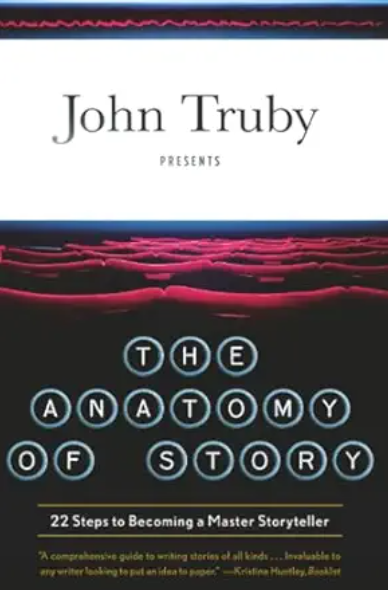
Rather than relying on rigid plot formulas, Truby examines storytelling through the lens of character transformation. He demonstrates how plot, desire, conflict, moral choice, and theme intertwine to create narratives that feel inevitable rather than mechanical. Dense but immensely rewarding, this is the kind of book writers return to again and again as their understanding of storytelling deepens.
Best for: Novelists and screenwriters struggling with story structure.
Buy at Bookshop.org or Amazon.com
Story Genius: How to Use Brain Science to Go Beyond Outlining and Write a Riveting Novel (Before You Waste Three Years Writing 327 Pages That Go Nowhere) by Lisa Cron
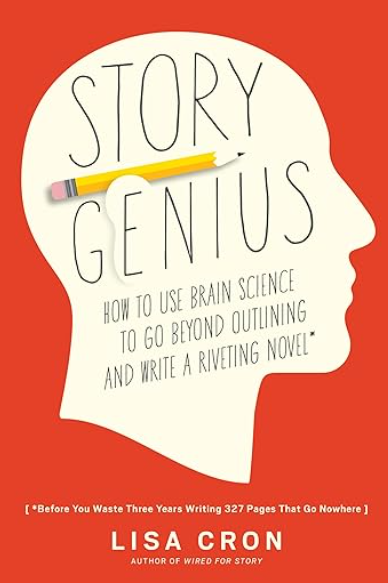
Few books challenge traditional outlining advice as effectively as Story Genius. Lisa Cron argues that many writers begin planning in the wrong place by focusing on plot before understanding why their story matters psychologically. Drawing from neuroscience and cognitive science, she demonstrates how character motivation, internal conflict, and worldview should become the foundation upon which every scene is built. Rather than asking, "What happens next?" Cron encourages writers to ask, "Why does this matter to my protagonist?" It's a perspective that can fundamentally change the way writers approach story development.
Best for: Writers who want to build emotionally resonant stories rooted in character psychology.
Buy at Bookshop.org or Amazon.com
The Art of Fiction: Notes on Craft for Young Writers by John Gardner
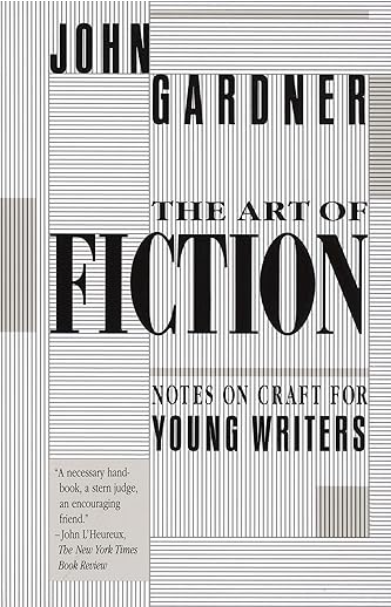
Few books challenge writers to think as deeply about fiction as The Art of Fiction. Rather than offering formulas or quick fixes, Gardner explores the philosophical and artistic responsibilities of storytelling, arguing that great fiction creates what he famously calls a "vivid and continuous dream" in the reader's mind. Throughout the book, he examines characterization, point of view, plot, style, symbolism, and revision, but always with the larger goal of helping writers understand why these techniques matter. Some of his opinions are unapologetically strong, and readers won't agree with every one of them, but that's part of what makes the book enduring. It invites writers to think critically about their craft and to approach fiction not simply as entertainment, but as an art capable of revealing profound truths about the human experience.
Best for: Fiction writers who want to deepen both their technical skills and their understanding of storytelling as an art form.
Buy at Bookshop.org or Amazon.com
The Emotional Craft of Fiction: How to Write the Story Beneath the Surface by Donald Maass
Readers don't remember stories because they admired the plot—they remember how those stories made them feel. Donald Maass explores how writers can create emotional experiences that linger long after the final page by strengthening character empathy, thematic depth, tension, and scene construction. Rather than relying on melodrama or heightened emotion, he demonstrates how subtle craft choices create powerful emotional resonance. Writers working in any genre will find practical techniques for making their stories more immersive and affecting.
Best for: Fiction writers who want to create greater emotional impact.
Buy at Bookshop.org or Amazon.com
Writing Your Story's Theme: The Writer's Guide to Plotting Stories That Matter by K. M. Weiland
Many writers think theme is something that appears naturally after a story is finished. Weiland argues otherwise. She shows how theme can become the invisible thread connecting character, plot, conflict, and emotional transformation without ever feeling heavy-handed. If you've ever worried that your story feels entertaining but lacks depth, this book offers practical ways to build meaning into every stage of the writing process.
Best for: Writers who want stories that resonate long after the final page.
Buy at Bookshop.org or Amazon.com
The Art of Character: Creating Memorable Characters for Fiction, Film, and TV by David Corbett
Compelling characters are rarely the most likable or the most heroic—they're the ones who feel the most human. In The Art of Character, David Corbett examines what gives fictional people emotional depth, exploring everything from motivation and backstory to contradiction, desire, fear, and transformation. Rather than encouraging writers to rely on questionnaires or personality profiles, Corbett pushes us to think more deeply about what our characters want, what they're hiding, and how they make meaning of the world around them. His approach is rooted as much in psychology as it is in storytelling, making this an invaluable resource for writers who want to move beyond surface-level characterization.
Best for: Fiction writers looking to create emotionally believable, psychologically complex characters.
Buy at Bookshop.org or Amazon.com
Point of View: How to Use the Different POV Types, Avoid Head-Hopping, and Choose the Best Point of View for Your Book by Sandra Gerth
Point of view is one of the most deceptively challenging aspects of writing. Choosing the wrong perspective can create emotional distance, while inconsistent narration can confuse readers and weaken an otherwise strong story. Sandra Gerth offers a practical, approachable guide to understanding first person, third person, omniscient narration, and narrative distance, while also addressing one of the most common mistakes writers make: head-hopping. Although focused primarily on fiction, the principles in this book can help any writer better understand how perspective shapes the reader's experience.
Best for: Writers who struggle with choosing or maintaining a consistent point of view.
Buy at Amazon.com
Plot & Structure by James Scott Bell
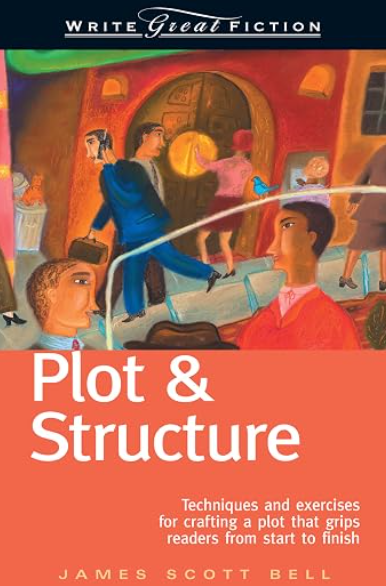
James Scott Bell offers one of the clearest discussions of plot mechanics available to novelists. Covering everything from beginnings and endings to conflict, pacing, scene construction, and structural turning points, Plot & Structure provides practical techniques that writers can immediately apply to their own work. Bell's advice is accessible without being simplistic, making this an excellent companion for writers who want a stronger grasp of how stories are built from the ground up.
Best for: Writers looking to strengthen the overall architecture and pacing of their novels.
Buy at Bookshop.org or Amazon.com
Building Stories That Last
No single craft book holds all the answers. Every author approaches storytelling from a slightly different perspective, and each of the books on this list illuminates a different aspect of fiction writing. Some will fundamentally change the way you think about character, others will strengthen your understanding of plot or theme, and still others will help you create the kind of emotional resonance that keeps readers invested from the opening page to the final sentence.
The beauty of studying fiction is that there is always another layer to uncover. As your skills develop, you'll likely find yourself returning to many of these books, discovering insights that weren't apparent the first time you read them. That's one of the hallmarks of truly great craft books: they continue to grow alongside you as a writer.
Of course, understanding the principles of fiction is one thing. Applying them to your own novel is another. Every manuscript presents its own unique challenges, and sometimes the most valuable next step isn't another craft book but thoughtful, individualized feedback from someone who can help you see both the strengths of your story and the places where it can become even stronger.
If you're looking for that kind of support, I'd love to help. Through developmental editing, manuscript evaluations, writing mentorship, publishing advisement, and ghostwriting, I work closely with fiction writers to strengthen story structure, deepen character development, sharpen emotional impact, and bring their creative vision to life. My goal is never to make your novel sound like anyone else's. It's to help you write the strongest version of the story only you can tell.
Oh, and follow me on The Storygraph so we can read together. If you’re still using Goodreads as a book tracking app, check out my blog about why Goodreads is out and The Storygraph is in!
*This blog does contain affiliate links related to Bookshop.org and Amazon.com*
Want to Read More Books About the Writing Craft? Check Out These Titles!
The 6 Best Books for Creative Nonfiction Writers, Including Poetry & Memoir
The 8 Best Foundational Writing Craft Books Every Writer Should Read
The 7 Best Books About Outlining Your Novel: Story Structure, Plotting & Planning
The 10 Best Books That Will Change the Way You Think as a Writer
The 20 Best Books on the Craft of Writing: Mastering Storytelling & Technique