The 7 Best Books About Outlining Your Novel: Story Structure, Plotting & Planning
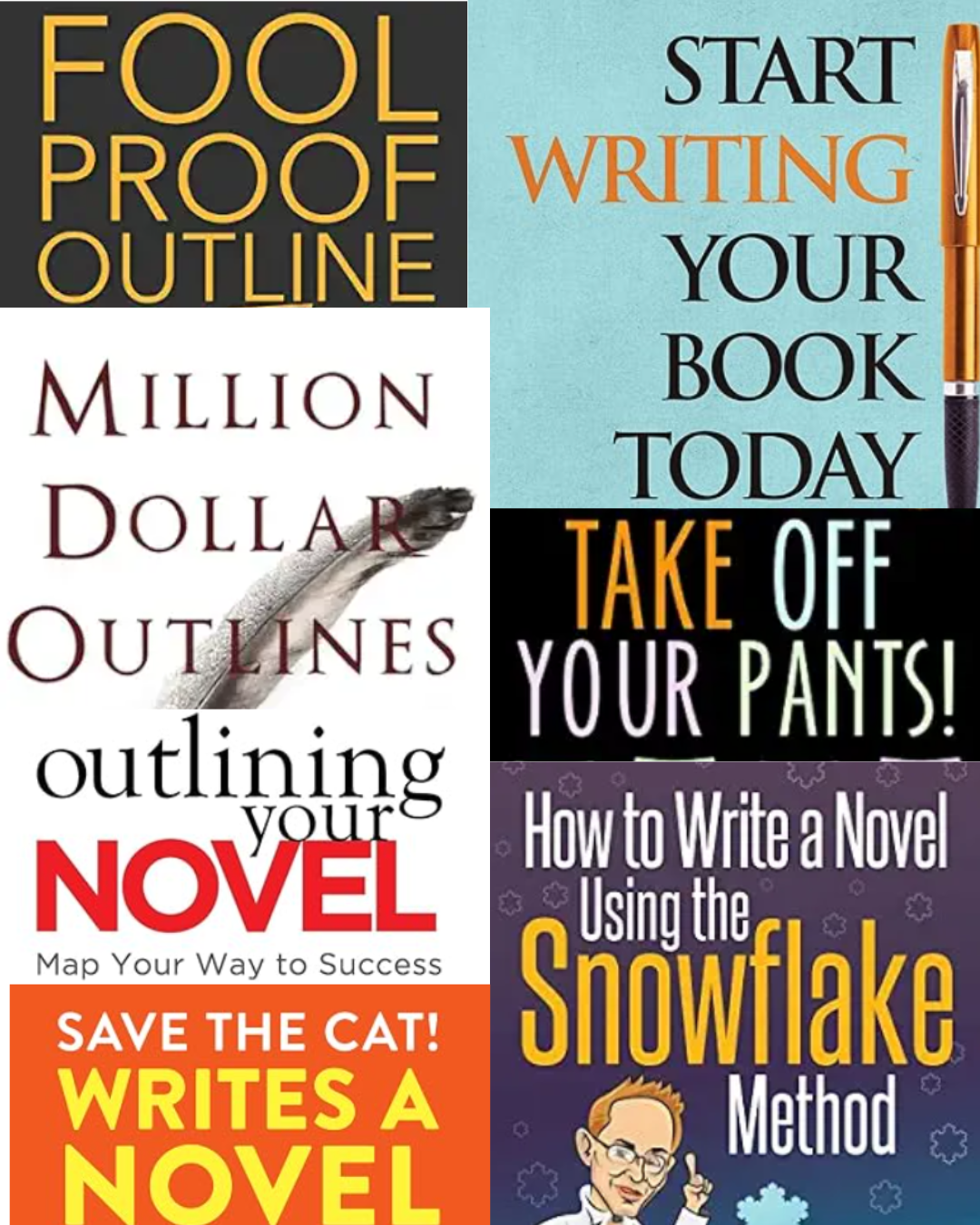
Few topics divide writers more than outlining. Some swear by meticulous scene-by-scene plans, while others prefer to discover their stories as they write. If you've spent any time in writing communities, you've probably heard the debate between plotters and pantsers more times than you can count.
The truth is, outlining isn't about taking the creativity out of writing. It's about creating a roadmap that helps you navigate it. Whether your outline consists of a single page or an entire binder of scene notes, having some sense of where your story is headed can save months of frustration, reduce unnecessary rewrites, and help you write with greater confidence.
As a developmental editor and writing mentor, I've worked with writers who fall all along the outlining spectrum. Some arrive with color-coded spreadsheets. Others have little more than a compelling premise and a handful of characters. Neither approach is inherently right or wrong. The goal isn't to find the "perfect" outlining method, it's to discover the planning process that best supports the way you think and create.
The books below each approach outlining from a different perspective. Some emphasize story beats and pacing, while others focus on character psychology, theme, or organic discovery. Together, they demonstrate that there isn't one correct way to outline a novel, only the method that helps you tell your story most effectively.
Save the Cat! Writes a Novel: The Last Book On Novel Writing You'll Ever Need by Jessica Brody
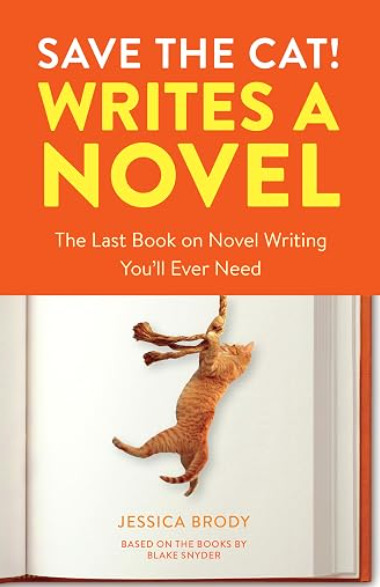
Originally adapted from the screenwriting principles developed by Blake Snyder, Save the Cat! Writes a Novel has become one of the most widely used outlining resources for novelists. Jessica Brody translates Snyder's famous beat sheet into a framework specifically designed for fiction, breaking stories into fifteen major plot beats that guide pacing, tension, and character development. While some writers find the structure more prescriptive than they prefer, it's an incredibly useful tool for understanding narrative momentum and identifying where a manuscript may be losing steam. For newer writers especially, it provides a clear framework for organizing a story without sacrificing creativity.
Best for: Writers looking for a straightforward, beat-based outlining system.
Buy at Bookshop.org or Amazon.com
How to Write a Novel Using the Snowflake Method by Randy Ingermanson
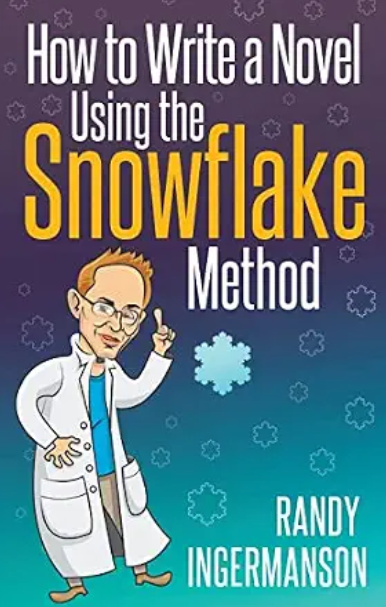
The Snowflake Method approaches outlining through gradual expansion. Beginning with a single sentence that summarizes the story, each stage asks writers to add another layer of detail until that simple idea grows into a fully realized novel blueprint. Rather than overwhelming writers with hundreds of decisions at once, Randy Ingermanson encourages them to build their stories piece by piece, allowing structure to emerge naturally over time. It's an especially effective method for writers who enjoy organization but don't want to feel boxed into rigid plotting systems.
Best for: Writers who prefer developing a story incrementally rather than outlining everything at once.
Buy at Bookshop.org or Amazon.com
Outlining Your Novel: Map Your Way to Success by K. M. Weiland
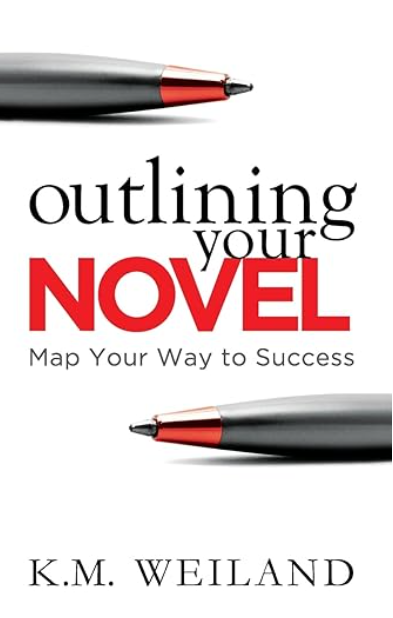
If you're looking for a practical, step-by-step guide to planning your novel before you begin drafting, Outlining Your Novel is one of the best resources available. K. M. Weiland walks writers through every stage of the outlining process, offering thoughtful exercises that help clarify character arcs, plot, conflict, pacing, scene progression, and theme. Rather than promoting a rigid formula, she encourages writers to discover the planning process that best fits their creative style while ensuring every element of the story works together cohesively. Whether you're outlining your first novel or refining your process after years of writing, this book provides a flexible framework that can help you write with greater confidence and purpose.
Best for: Writers who want a comprehensive, step-by-step approach to outlining that balances structure with creative flexibility.
Buy at Bookshop.org or Amazon.com
Take Off Your Pants!: Outline Your Books for Faster, Better Writing by Libbie Hawker
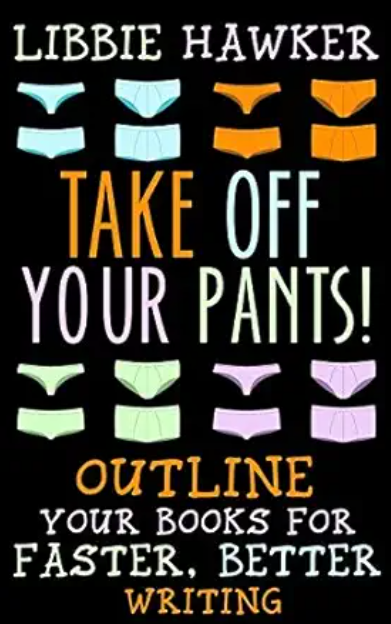
Despite its playful title, this book offers a surprisingly thoughtful approach to outlining. Libbie Hawker argues that strong plots emerge naturally when writers understand their characters' motivations, emotional journeys, and goals. Rather than relying solely on external story beats, she encourages writers to build their outlines from the inside out, allowing character development to shape the narrative itself. The result is a planning method that feels intuitive, flexible, and deeply character-driven.
Best for: Writers who want character to drive plot rather than the other way around.
Buy at Bookshop.org or Amazon.com
Million Dollar Outlines by David Farland
David Farland approaches outlining from the perspective of building stories that captivate readers from beginning to end. Rather than focusing solely on plot mechanics, Million Dollar Outlines examines how pacing, escalating conflict, character development, and narrative momentum work together to create commercially compelling fiction. Farland's advice is especially valuable for writers interested in genre fiction, where reader expectations and strong storytelling structure often go hand in hand. While every novel doesn't need to follow the same blueprint, this book offers practical insights into crafting stories that remain engaging without sacrificing emotional depth.
Best for: Writers who want to strengthen story structure while keeping readers invested from the first page to the last.
Buy at Bookshop.org or Amazon.com
Start Writing Your Book Today: A Step-by-Step Plan to Write Your Nonfiction Book, From First Draft to Finished Manuscript by Morgan Gist MacDonald
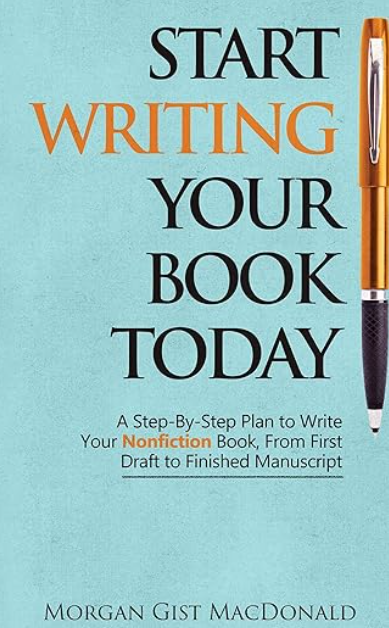
While many outlining books focus almost exclusively on fiction, Start Writing Your Book Today offers a practical roadmap for nonfiction authors. Morgan Gist MacDonald walks readers through every stage of planning, outlining, drafting, and completing a nonfiction manuscript, breaking what can feel like an overwhelming process into clear, manageable steps. Whether you're writing a memoir, business book, self-help guide, or other nonfiction project, the book emphasizes creating a strong structure before drafting so your ideas unfold logically and cohesively. It's an approachable resource for first-time authors who want a concrete plan without getting lost in theory.
Best for: Writers planning a nonfiction book who want a step-by-step process from idea to finished manuscript.
Buy at Bookshop.org or Amazon.com
Fool Proof Outline: A No-Nonsense System for Productive Brainstorming, Outlining, & Drafting Novels by Christopher Scott Downing
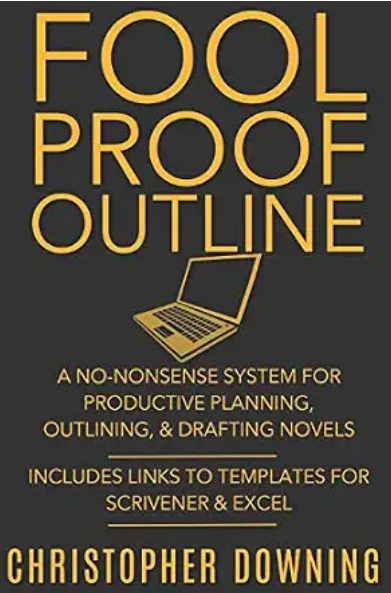
As the title suggests, Fool Proof Outline takes a refreshingly practical approach to story planning. Christopher Scott Downing walks writers through a clear system for brainstorming, organizing ideas, and developing an outline that naturally leads into drafting. Rather than overwhelming writers with theory or rigid storytelling formulas, he focuses on creating a process that is both efficient and flexible. The emphasis is less on following someone else's structure and more on building a roadmap that keeps your own story moving forward. Writers who often find themselves stuck somewhere between an exciting idea and a finished manuscript will appreciate the book's straightforward, actionable guidance.
Best for: Writers looking for a practical outlining system that bridges brainstorming and drafting.
Buy at Bookshop.org or Amazon.com
Finding the Right Outlining Method
One of the biggest misconceptions about outlining is that there's a single "correct" method. In reality, every writer thinks differently. Some need a detailed scene list before they can write a single chapter, while others need only a loose understanding of their characters and ending before diving into a first draft.
The best outlining system is the one that helps you keep writing.
You may find yourself combining ideas from several of the books on this list rather than following one method exactly. That's perfectly normal. Some writers borrow the beat structure from Save the Cat!, the character work from Story Genius, and the scene-planning exercises from Outlining Your Novel. Others prefer the gradual expansion of the Snowflake Method or the psychological focus of The Heroine's Journey. Your outlining process should evolve alongside your writing.
If you're feeling overwhelmed by plot, struggling to organize your ideas, or unsure why your manuscript isn't coming together, you're not alone. These are some of the most common challenges I help writers navigate through developmental editing, manuscript evaluations, writing mentorship, and publishing advisement. Sometimes all it takes is another perspective to uncover the structure your story has been asking for all along.
Oh, and follow me on The Storygraph so we can read together. If you’re still using Goodreads as a book tracking app, check out my blog about why Goodreads is out and The Storygraph is in!
*This blog does contain affiliate links related to Bookshop.org and Amazon.com*