The 10 Best Books That Will Change the Way You Think as a Writer
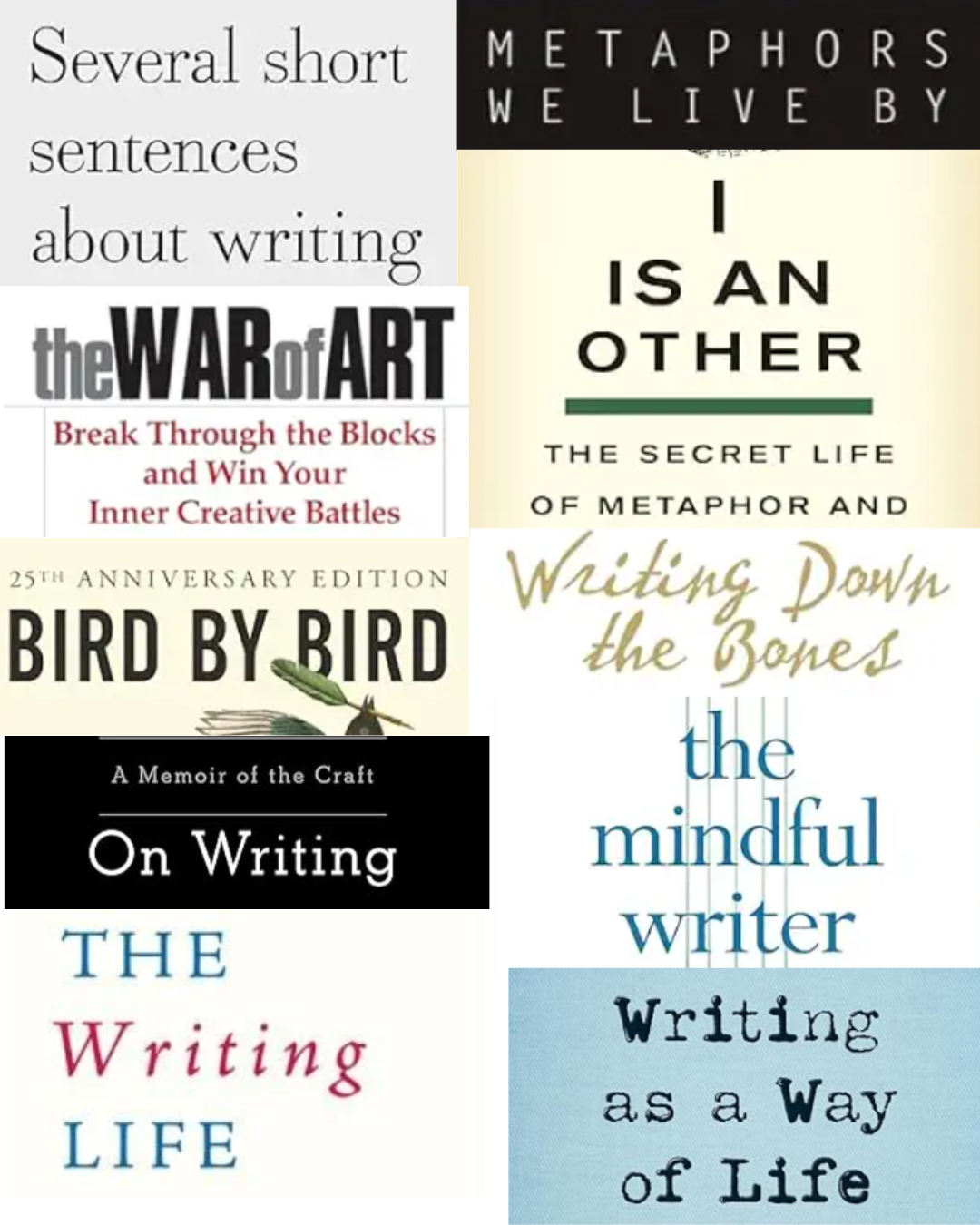
When people ask me what books have made the biggest difference in my writing, they often expect me to recommend books on story structure, dialogue, or character development. And while those are certainly important, many of the books that have shaped me most aren't traditional craft books at all. Instead, they're books that changed the way I pay attention.
Over time, I've come to believe that becoming a better writer isn't simply about learning technique. It's about learning to observe more carefully, think more deeply, ask better questions, and become more curious about the world around you. The strongest writing grows from a rich inner life. It comes from understanding people, noticing patterns, embracing uncertainty, and developing the kind of awareness that allows ordinary moments to become extraordinary on the page.
The books on this list won't necessarily teach you how to structure a novel or write stronger dialogue. Instead, they'll challenge the way you think about language, creativity, metaphor, storytelling, and even your relationship with writing itself. Some explore the psychology behind why stories resonate. Others encourage you to embrace the discipline, mindfulness, and vulnerability required to create meaningful work. Together, they offer something that no single craft manual can: a deeper understanding of what it means to live, observe, and think like a writer.
As both a writer and someone who spends every day mentoring authors, editing manuscripts, and helping writers bring their books into the world, these are the books I return to most often because they continually remind me how to see.
Several Short Sentences About Writing by Verlyn Klinkenborg
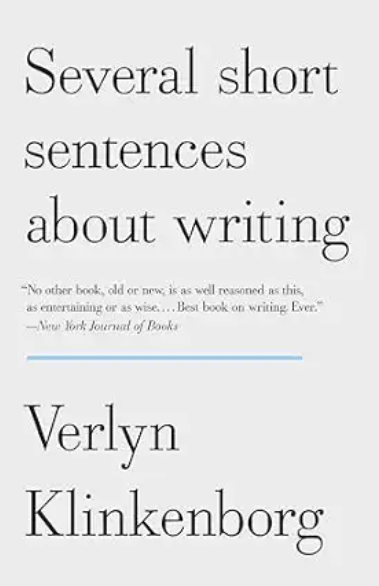
Despite its modest title, this is one of the most profound books ever written about prose. Klinkenborg asks writers to stop thinking in terms of paragraphs or stories and instead focus on the sentence as the fundamental unit of writing. He argues that every sentence should earn its place by paying close attention to language, rhythm, and thought. The result is a book that changes not just how you write, but how you think while writing. It is particularly valuable for writers who tend to overwrite or rely on abstract language.
Best for: Writers who want to develop stronger, more intentional prose.
Buy at Bookshop.org or Amazon.com
Metaphors We Live By by George Lakoff and Mark Johnson
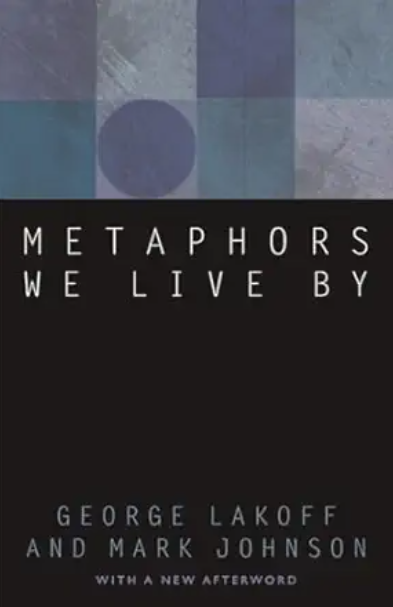
Unlike most books on this list, Metaphors We Live By wasn't written specifically for writers. Yet few books have had a greater influence on how we understand language. Lakoff and Johnson argue that metaphor isn't simply a literary device—it's one of the primary ways human beings think. Our understanding of time, love, conflict, relationships, and countless other concepts is shaped by underlying metaphors we rarely notice. For writers, this offers a fascinating lens through which to examine character, symbolism, imagery, and theme. It is less a how-to manual than a book that fundamentally changes how you understand language itself.
Best for: Writers interested in metaphor, symbolism, and the psychology of language.
Buy at Bookshop.org or Amazon.com
I Is an Other: The Secret Life of Metaphor and How It Shapes the Way We See the World by James Geary
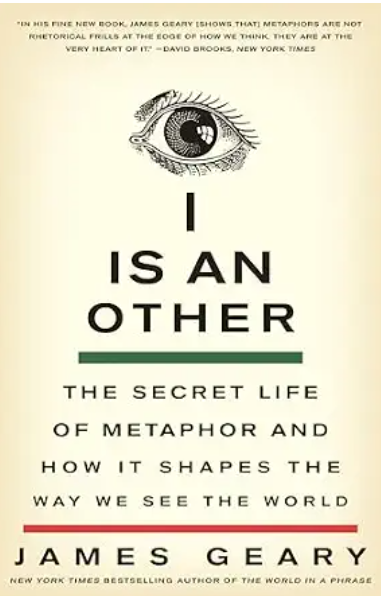
If Metaphors We Live By provides the theory, I Is an Other brings those ideas vividly to life. Geary explores metaphor through science, history, politics, literature, advertising, and everyday conversation, demonstrating that metaphor shapes nearly every aspect of human thought. Writers will come away with a greater appreciation for how imagery creates meaning and why certain comparisons resonate so deeply with readers. It's an endlessly engaging book that reminds us that metaphor isn't merely decorative language—it's one of our most fundamental ways of understanding the world.
Best for: Writers who want to deepen their understanding of imagery and figurative language.
Buy at Bookshop.org or Amazon.com
The War of Art: Break Through the Blocks and Win Your Inner Creative Battles by Steven Pressfield
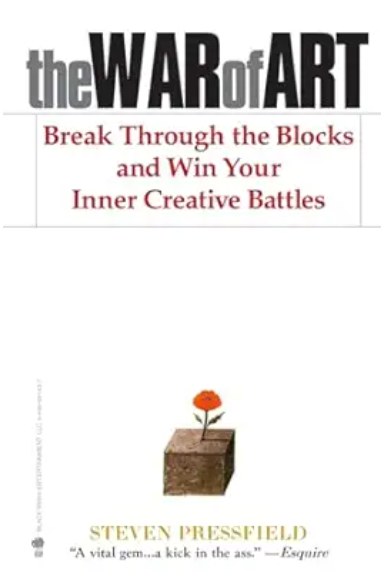
If Anne Lamott offers compassion, Steven Pressfield offers a challenge. In The War of Art, he introduces the concept of "Resistance"—the invisible force that shows up as procrastination, distraction, self-doubt, fear, and endless excuses whenever we attempt meaningful creative work. Pressfield argues that waiting for inspiration is a losing strategy; instead, writers must learn to approach creativity with the discipline and consistency of a professional. The book is intentionally direct, sometimes even confrontational, but many writers find that it's exactly the push they need when motivation begins to waver. Whether you're struggling to start a project or finish one, The War of Art serves as a powerful reminder that creating meaningful work often requires showing up long before you feel ready.
Best for: Writers who struggle with procrastination, inconsistency, or finishing what they start.
Buy at Bookshop.org or Amazon.com
Bird by Bird: Some Instructions on Writing and Life by Anne Lamott
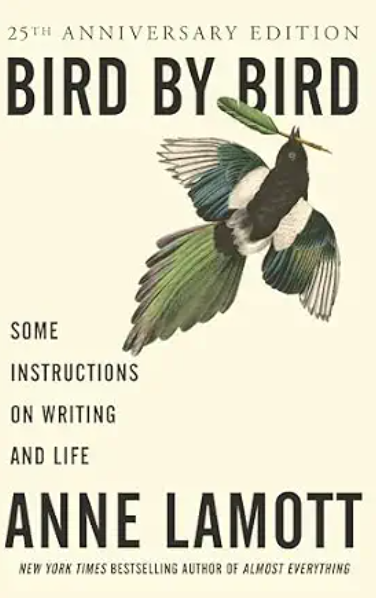
Few writing books have become as beloved as Bird by Bird, and it's easy to understand why. Anne Lamott writes with remarkable honesty about the emotional realities of being a writer, acknowledging everything from crippling perfectionism and impostor syndrome to the strange vulnerability of sharing your work with others. Rather than presenting creativity as something effortless or glamorous, she reminds us that writing is often messy, uncertain, and deeply human. Her now-famous advice about embracing "shitty first drafts" has become a mantra for writers because it offers permission to write imperfectly before attempting to write well. While this book contains practical insights about craft, its greatest gift is the reassurance that nearly every struggle writers experience is shared by others.
Best for: Writers who need encouragement, perspective, and permission to let go of perfectionism.
Buy at Bookshop.org or Amazon.com
Writing Down the Bones: Freeing the Writer Within by Natalie Goldberg
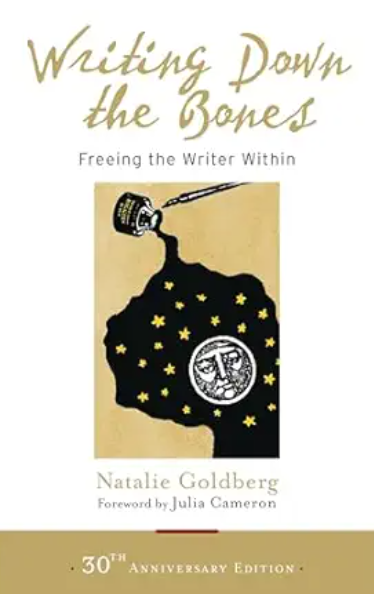
Part writing guide and part meditation on creativity, Writing Down the Bones encourages writers to stop chasing perfection and begin paying closer attention to the world around them. Drawing from Zen philosophy, Goldberg emphasizes freewriting, observation, presence, and trusting the creative process rather than trying to control it. Her exercises invite writers to write quickly, honestly, and without self-censorship, making this an especially valuable book for anyone who feels creatively blocked or disconnected from their own voice. Even decades after its publication, its message remains refreshingly relevant: writing begins with learning how to notice.
Best for: Writers who want to reconnect with curiosity, observation, and the joy of writing.
Buy at Bookshop.org or Amazon.com
On Writing: A Memoir of the Craft by Stephen King
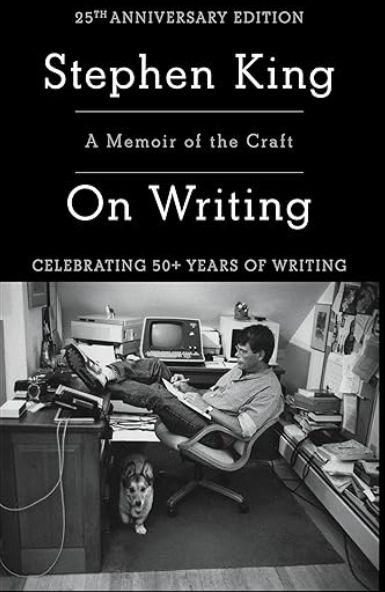
Part memoir and part craft book, On Writing has become a modern classic because it does something many writing books fail to do: it reminds us that writing is both an art and a discipline. King shares stories from his own life alongside practical advice on vocabulary, dialogue, revision, description, and developing your voice, all while emphasizing that the best writers are, first and foremost, dedicated readers. His tone is refreshingly direct without ever feeling inaccessible, making this an excellent starting point for writers who want both encouragement and practical guidance.
Best for: Writers of any genre who want a thoughtful introduction to the writing life.
Buy at Bookshop.org or Amazon.com
The Writing Life by Annie Dillard
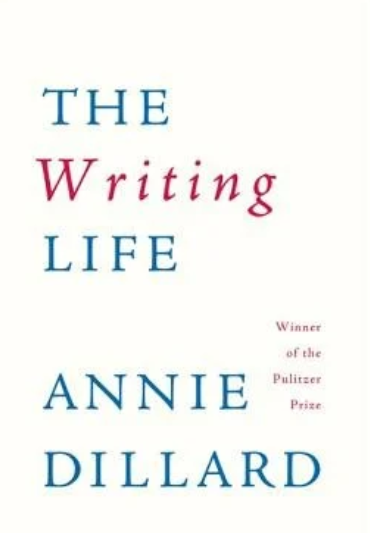
Few books capture the mystery of writing as beautifully as The Writing Life. Annie Dillard doesn't offer advice on plotting novels or crafting dialogue. Instead, she invites readers into the often bewildering, demanding, and deeply rewarding experience of dedicating oneself to creative work. Through lyrical reflections and vivid metaphors, she explores solitude, discipline, uncertainty, obsession, and the extraordinary act of paying attention. Dillard reminds us that writing isn't simply something we do—it's a way of moving through the world with greater curiosity and presence. It's a book you'll likely return to throughout your life as a writer, finding new meaning in its pages each time.
Best for: Writers seeking a deeper understanding of the creative life and the quiet discipline of paying attention.
Buy at Bookshop.org or Amazon.com
The Mindful Writer by Dinty W. Moore
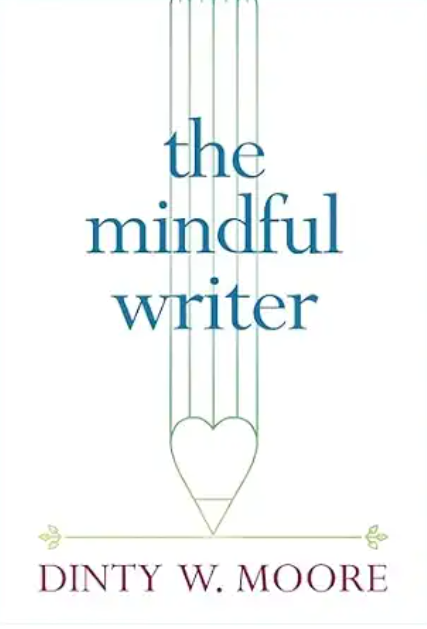
In The Mindful Writer, Dinty W. Moore argues that becoming a better writer begins with becoming a more attentive human being. Drawing from mindfulness, literature, philosophy, and years of teaching creative writing, he explores how presence, observation, curiosity, and compassion can transform not only the way we write but also the way we experience the world. Rather than focusing on technical instruction, Moore encourages writers to slow down, notice more, and cultivate the habits of awareness that give authentic storytelling its emotional depth. It's a thoughtful reminder that meaningful writing grows from a life lived with intention, making it a natural companion to books that explore the inner landscape of creativity.
Best for: Writers who want to cultivate greater awareness, curiosity, and intentionality both on and off the page.
Buy at Bookshop.org or Amazon.com
Writing as a Way of Life: A Book About Art, Craft, and Devotion by Brian Morton
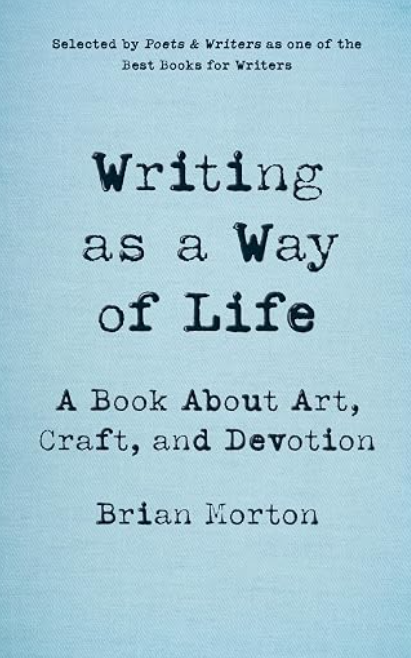
Unlike many writing books that focus on productivity or publishing, Writing as a Way of Life asks a more fundamental question: What does it mean to build a life around writing? Brian Morton reflects on creativity with remarkable honesty, exploring ambition, self-doubt, routine, failure, aging, success, and the often-complicated relationship between art and everyday life. Rather than offering formulas or motivational platitudes, he reminds us that writing is a lifelong practice shaped as much by patience and persistence as by talent. Thoughtful, generous, and deeply reflective, this is the kind of book that doesn't simply teach you how to write—it helps you understand what it means to remain a writer through every season of your life.
Best for: Writers seeking a thoughtful meditation on creativity, perseverance, and building a meaningful life around their work.
Buy at Bookshop.org or Amazon.com
Learning to See
There's a reason none of these books offers a foolproof formula for writing a bestseller. They aren't trying to. Instead, they invite us to slow down, pay closer attention, and cultivate the habits of mind that make meaningful writing possible in the first place.
Technical skill matters, of course. Every writer benefits from studying structure, dialogue, character, and revision. But those techniques are only as powerful as the perspective behind them. The writers whose work stays with us are often those who have learned to notice what others overlook, to find metaphor in everyday life, to sit with uncertainty, to understand the complexities of human nature, and to remain endlessly curious about the world.
If you're serious about growing as a writer, don't just invest in learning the craft. Invest in developing the kind of attentiveness, empathy, and intellectual curiosity that great writing demands. In my experience, that's where the most meaningful transformation begins.
And when you're ready to move from studying writing to actively shaping your own work, I'd be honored to help. Whether you're looking for writing mentorship, developmental editing, a manuscript evaluation, publishing guidance, or ghostwriting support, my work is centered on helping writers strengthen not only their manuscripts, but also their confidence, clarity, and creative vision.
Oh, and follow me on The Storygraph so we can read together. If you’re still using Goodreads as a book tracking app, check out my blog about why Goodreads is out and The Storygraph is in!
*This blog does contain affiliate links related to Bookshop.org and Amazon.com*
Want to Read More Books About the Writing Craft? Check Out These Lists!
The 6 Best Books for Creative Nonfiction Writers, Including Poetry & Memoir
The 8 Best Foundational Writing Craft Books Every Writer Should Read
The 7 Best Books About Outlining Your Novel: Story Structure, Plotting & Planning
The 20 Best Books on the Craft of Writing: Mastering Storytelling & Technique