The 20 Best Books on the Craft of Writing: Mastering Storytelling & Technique
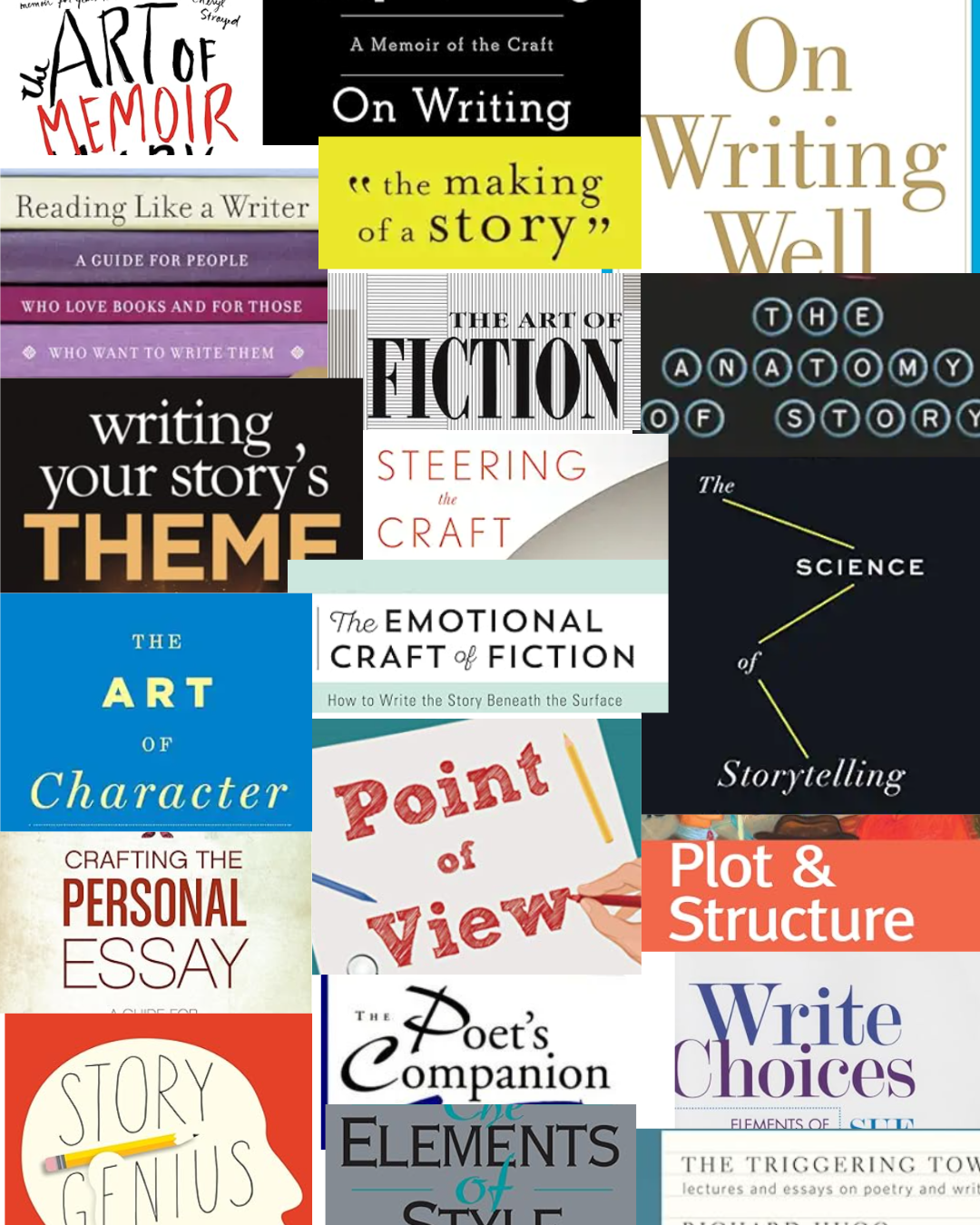
There is a common misconception that great writers are simply born with talent—that compelling stories emerge from inspiration alone and that craft somehow takes care of itself. In reality, writing is much like any other art form. While talent can certainly give us a starting point, it is study, practice, and intentional refinement that transform raw ability into meaningful work.
One of the best ways to become a stronger writer isn't simply to write more. It's to learn from those who have spent decades thinking deeply about storytelling, language, and the creative process. Every accomplished writer stands on the shoulders of those who came before them, studying the techniques, philosophies, and approaches that have shaped literature for generations. Whether you're writing fiction, memoir, essays, poetry, or narrative nonfiction, reading craft books allows you to develop the vocabulary and perspective needed to understand why stories work—not just whether they do.
As a publishing advisor, developmental editor, ghostwriter, and writing mentor, I'm often asked which books I recommend most frequently to writers. The truth is, there isn't one definitive writing book because writing itself isn't one skill. It's many. Learning to create unforgettable characters requires a different kind of study than understanding story structure. Writing beautiful prose asks something different of us than learning point of view or thematic development.
The books below are the ones I find myself returning to again and again. Some have shaped the way I write. Others have influenced the way I edit, mentor writers, and evaluate manuscripts. Together, they form a library that I believe every serious writer can learn from, regardless of genre or experience level.
On Writing: A Memoir of the Craft by Stephen King
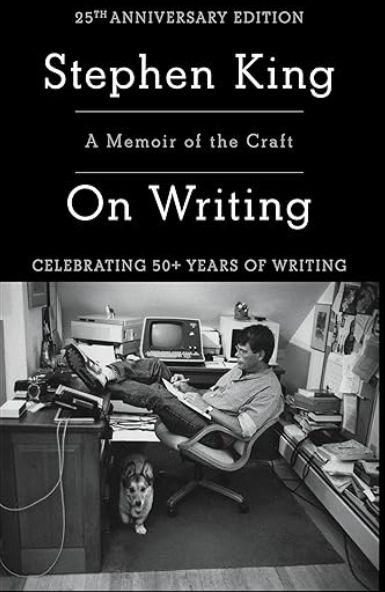
Part memoir and part craft book, On Writing has become a modern classic because it does something many writing books fail to do: it reminds us that writing is both an art and a discipline. King shares stories from his own life alongside practical advice on vocabulary, dialogue, revision, description, and developing your voice, all while emphasizing that the best writers are, first and foremost, dedicated readers. His tone is refreshingly direct without ever feeling inaccessible, making this an excellent starting point for writers who want both encouragement and practical guidance.
Best for: Writers of any genre who want a thoughtful introduction to the writing life.
Buy at Bookshop.org or Amazon.com
On Writing Well: The Classic Guide to Writing Nonfiction by William Zinsser
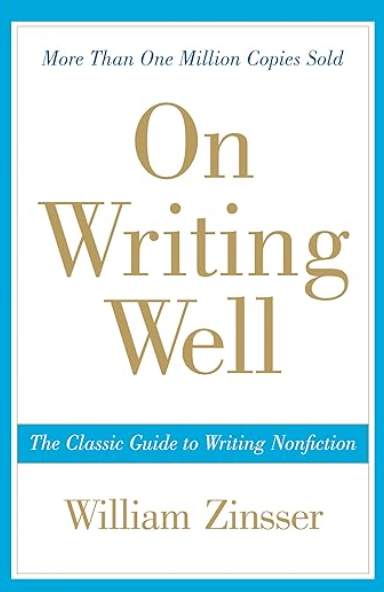
Few books have shaped nonfiction writing as profoundly as On Writing Well. Zinsser champions simplicity, clarity, and precision, encouraging writers to strip away unnecessary language until only the strongest ideas remain. Although originally written for nonfiction writers, its lessons about style, revision, and respecting the reader apply to nearly every form of writing. If you've ever been told your writing feels cluttered or overwritten, this book offers timeless advice for creating prose that is both elegant and accessible.
Best for: Nonfiction writers who want to write with greater clarity and confidence.
Buy at Bookshop.org or Amazon.com
Reading Like a Writer: A Guide for People Who Love Books and for Those Who Want to Write Them by Francine Prose
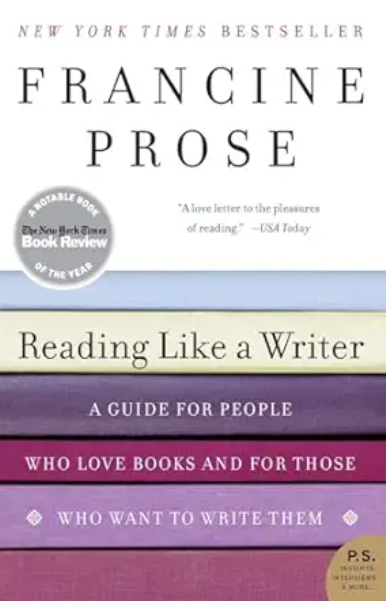
One of the greatest lessons a writer can learn is how to pay closer attention while reading, and that's precisely what Francine Prose teaches here. Rather than offering formulas or templates, she invites readers to slow down and examine how accomplished authors construct scenes, shape dialogue, build characters, and craft memorable sentences. By studying literature with intention, writers begin to understand not just what works, but why it works. It's a book that fundamentally changes the way you read, which inevitably changes the way you write.
Best for: Writers who want to sharpen their craft by becoming more observant readers.
Buy at Bookshop.org or Amazon.com
The Making of a Story: A Norton Guide to Creative Writing by Alice LaPlante
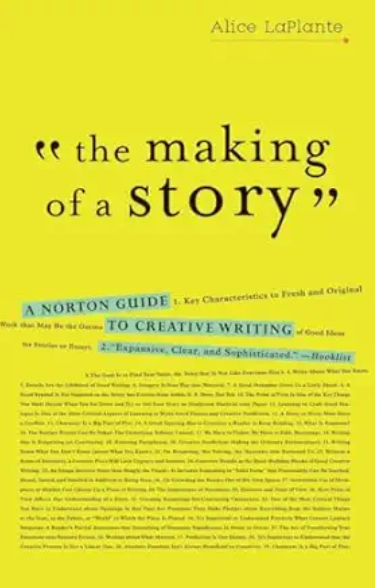
Equal parts textbook, anthology, and workbook, The Making of a Story provides one of the most comprehensive introductions to creative writing available. LaPlante covers everything from scene construction and dialogue to point of view, characterization, revision, and creative nonfiction, pairing each lesson with examples from accomplished writers and practical exercises. While beginners will appreciate its breadth, more experienced writers often return to it as a reference throughout the drafting and revision process.
Best for: Writers looking for a comprehensive education in both fiction and creative nonfiction.
Buy at Bookshop.org or Amazon.com
The Anatomy of Story: 22 Steps to Becoming a Master Storyteller by John Truby
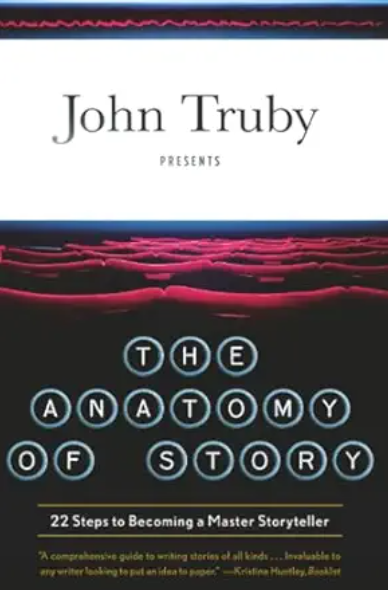
Rather than relying on rigid plot formulas, Truby examines storytelling through the lens of character transformation. He demonstrates how plot, desire, conflict, moral choice, and theme intertwine to create narratives that feel inevitable rather than mechanical. Dense but immensely rewarding, this is the kind of book writers return to again and again as their understanding of storytelling deepens.
Best for: Novelists and screenwriters struggling with story structure.
Buy at Bookshop.org or Amazon.com
The Science of Storytelling: Why Stories Make Us Human and How to Tell Them Better by Will Storr
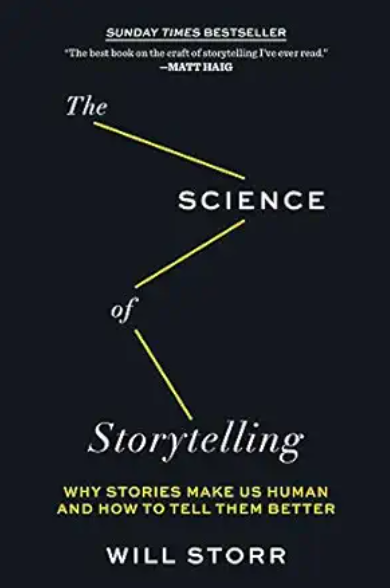
Drawing from neuroscience, psychology, and evolutionary biology, Storr explores why stories have such a profound effect on the human mind. Rather than teaching storytelling through rules alone, he explains why readers respond emotionally to conflict, character, and transformation in the first place. It's an illuminating read for anyone interested in the psychology behind narrative.
Best for: Writers who enjoy understanding not just how stories work, but why they work.
Buy at Bookshop.org or Amazon.com
Steering the Craft: A Twenty-First-Century Guide to Sailing the Sea of Story by Ursula K. Le Guin
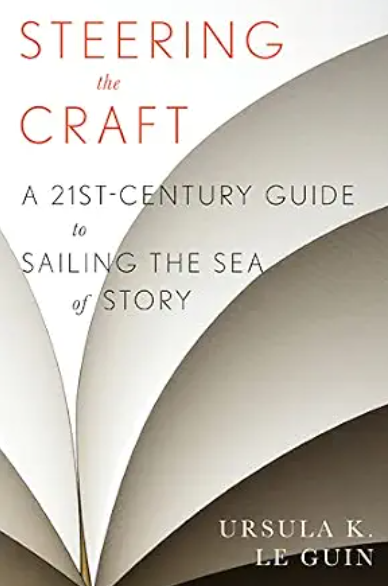
Few writers understand language as deeply as Ursula K. Le Guin, and Steering the Craft reflects decades of thinking about the art of storytelling. Rather than focusing on plot or publishing, Le Guin turns her attention to the sentence itself—rhythm, syntax, point of view, narration, dialogue, repetition, and the music of prose. Each chapter includes practical exercises that encourage experimentation rather than rigid adherence to rules, making the book feel less like a textbook and more like a workshop led by one of literature's great teachers. It rewards slow reading and repeated practice, offering insights that continue to reveal themselves as writers grow in experience.
Best for: Writers who want to strengthen their prose at the sentence level while developing greater awareness of narrative technique.
Buy at Bookshop.org or Amazon.com
The Art of Fiction: Notes on Craft for Young Writers by John Gardner
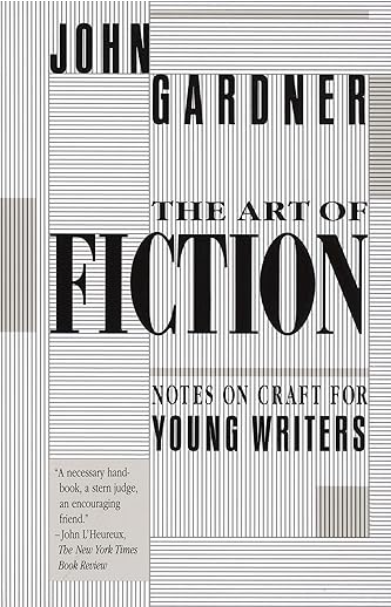
Few books challenge writers to think as deeply about fiction as The Art of Fiction. Rather than offering formulas or quick fixes, Gardner explores the philosophical and artistic responsibilities of storytelling, arguing that great fiction creates what he famously calls a "vivid and continuous dream" in the reader's mind. Throughout the book, he examines characterization, point of view, plot, style, symbolism, and revision, but always with the larger goal of helping writers understand why these techniques matter. Some of his opinions are unapologetically strong, and readers won't agree with every one of them, but that's part of what makes the book enduring. It invites writers to think critically about their craft and to approach fiction not simply as entertainment, but as an art capable of revealing profound truths about the human experience.
Best for: Fiction writers who want to deepen both their technical skills and their understanding of storytelling as an art form.
Buy at Bookshop.org or Amazon.com
The Emotional Craft of Fiction: How to Write the Story Beneath the Surface by Donald Maass
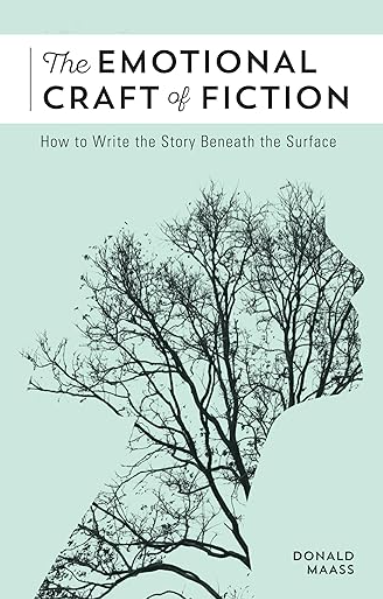
Readers don't remember stories because they admired the plot—they remember how those stories made them feel. Donald Maass explores how writers can create emotional experiences that linger long after the final page by strengthening character empathy, thematic depth, tension, and scene construction. Rather than relying on melodrama or heightened emotion, he demonstrates how subtle craft choices create powerful emotional resonance. Writers working in any genre will find practical techniques for making their stories more immersive and affecting.
Best for: Fiction writers who want to create greater emotional impact.
Buy at Bookshop.org or Amazon.com
Writing Your Story's Theme: The Writer's Guide to Plotting Stories That Matter by K. M. Weiland
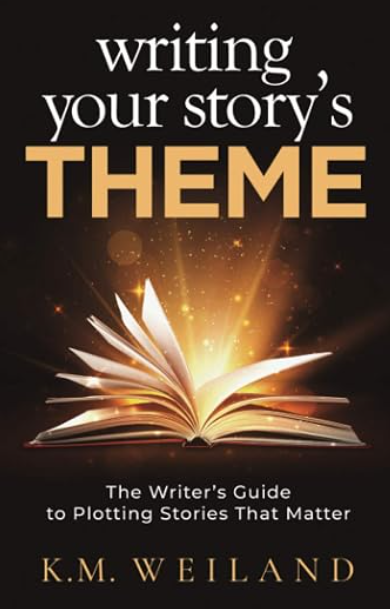
Many writers think theme is something that appears naturally after a story is finished. Weiland argues otherwise. She shows how theme can become the invisible thread connecting character, plot, conflict, and emotional transformation without ever feeling heavy-handed. If you've ever worried that your story feels entertaining but lacks depth, this book offers practical ways to build meaning into every stage of the writing process.
Best for: Writers who want stories that resonate long after the final page.
Buy at Bookshop.org or Amazon.com
The Art of Character: Creating Memorable Characters for Fiction, Film, and TV by David Corbett
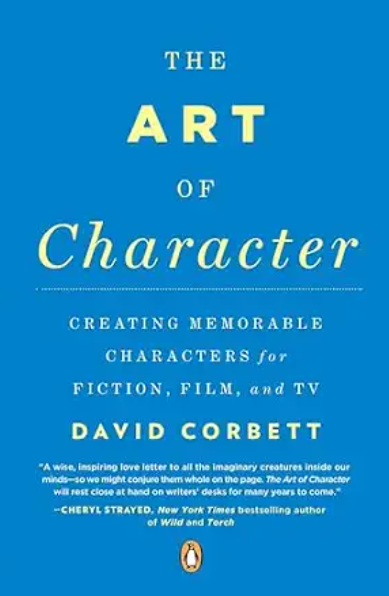
Compelling characters are rarely the most likable or the most heroic—they're the ones who feel the most human. In The Art of Character, David Corbett examines what gives fictional people emotional depth, exploring everything from motivation and backstory to contradiction, desire, fear, and transformation. Rather than encouraging writers to rely on questionnaires or personality profiles, Corbett pushes us to think more deeply about what our characters want, what they're hiding, and how they make meaning of the world around them. His approach is rooted as much in psychology as it is in storytelling, making this an invaluable resource for writers who want to move beyond surface-level characterization.
Best for: Fiction writers looking to create emotionally believable, psychologically complex characters.
Buy at Bookshop.org or Amazon.com
Point of View: How to Use the Different POV Types, Avoid Head-Hopping, and Choose the Best Point of View for Your Book by Sandra Gerth
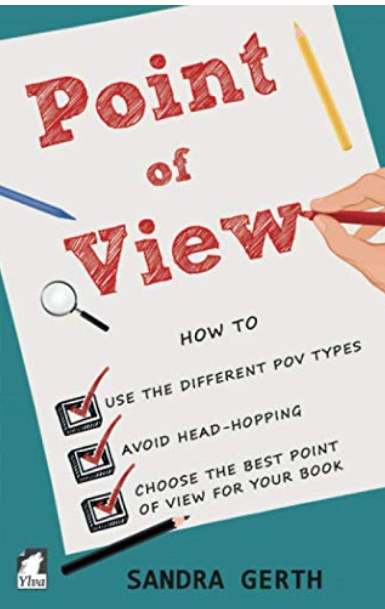
Point of view is one of the most deceptively challenging aspects of writing. Choosing the wrong perspective can create emotional distance, while inconsistent narration can confuse readers and weaken an otherwise strong story. Sandra Gerth offers a practical, approachable guide to understanding first person, third person, omniscient narration, and narrative distance, while also addressing one of the most common mistakes writers make: head-hopping. Although focused primarily on fiction, the principles in this book can help any writer better understand how perspective shapes the reader's experience.
Best for: Writers who struggle with choosing or maintaining a consistent point of view.
Buy at Amazon.com
Plot & Structure by James Scott Bell
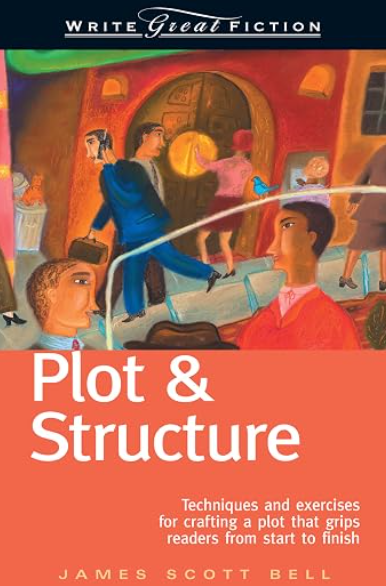
James Scott Bell offers one of the clearest discussions of plot mechanics available to novelists. Covering everything from beginnings and endings to conflict, pacing, scene construction, and structural turning points, Plot & Structure provides practical techniques that writers can immediately apply to their own work. Bell's advice is accessible without being simplistic, making this an excellent companion for writers who want a stronger grasp of how stories are built from the ground up.
Best for: Writers looking to strengthen the overall architecture and pacing of their novels.
Buy at Bookshop.org or Amazon.com
The Art of Memoir by Mary Karr
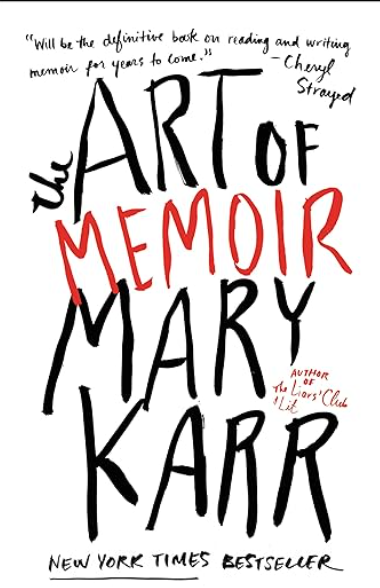
Memoir isn't simply the story of a life—it's an exploration of what that life has meant. Mary Karr argues that great memoir is built on curiosity, emotional honesty, and a willingness to interrogate one's own experiences rather than simply recount them. Throughout the book, she examines memory, truth, vulnerability, and the ethical responsibilities of writing about real people, drawing on examples from both her own work and other celebrated memoirists. The result is a thoughtful meditation on what elevates memoir from autobiography into literature.
Best for: Memoirists who want to write with emotional depth, honesty, and literary intention.
Buy at Bookshop.org or Amazon.com
Crafting the Personal Essay by Dinty W. Moore
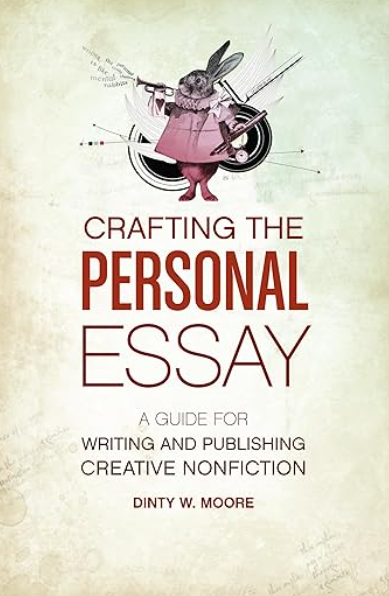
The personal essay occupies a unique space between storytelling and reflection, and Dinty W. Moore is one of its most trusted guides. This book explores how essays are shaped, how narrative and insight work together, and how writers can transform ordinary experiences into pieces that resonate with readers. Moore also offers practical advice on revision and publication, making this an excellent resource for anyone interested in submitting creative nonfiction to literary magazines or building an essay collection.
Best for: Writers of personal essays and literary creative nonfiction.
Buy at Bookshop.org or Amazon.com
Write Choices: Elements of Nonfiction Storytelling by Sue Hertz
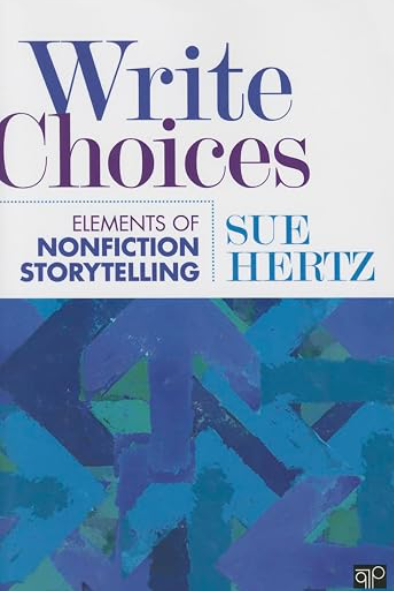
One of the greatest challenges in nonfiction is learning how to tell a true story with the momentum and emotional impact of fiction. Sue Hertz explores the countless creative decisions involved in that process, from structuring scenes and pacing information to developing voice and navigating the ethical considerations that come with writing about real people. Rather than treating nonfiction as simply a collection of facts, Write Choices demonstrates how careful storytelling can transform information into something memorable and deeply human.
Best for: Memoirists, journalists, and narrative nonfiction writers who want to strengthen their storytelling.
Buy at Bookshop.org or Amazon.com
The Poet's Companion by Kim Addonizio and Dorianne Laux
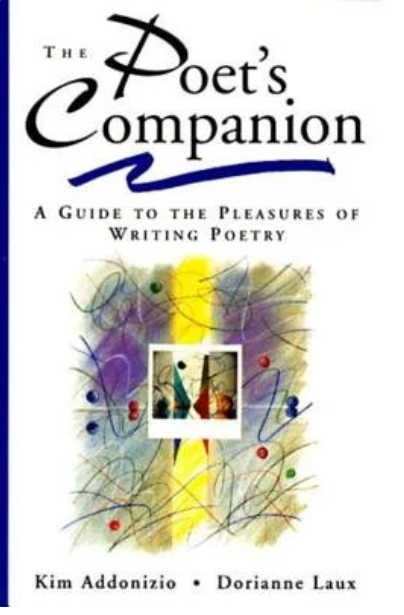
Warm, generous, and deeply encouraging, The Poet's Companion invites writers to approach poetry with curiosity rather than intimidation. Through discussions of imagery, metaphor, sound, rhythm, line breaks, and emotional authenticity, Addonizio and Laux demonstrate that poetry begins not with trying to sound poetic but with learning how to notice the world more closely. Filled with writing prompts and examples, it's an excellent resource for poets while also offering prose writers a richer understanding of language and imagery.
Best for: Poets and prose writers looking to strengthen their command of language.
Buy at Bookshop.org or Amazon.com
The Triggering Town: Lectures and Essays on Poetry and Writing by Richard Hugo
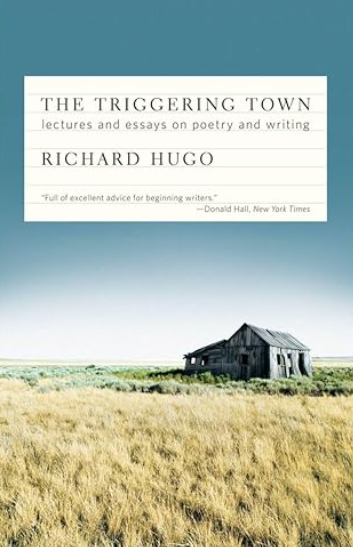
Although written with poets in mind, The Triggering Town is ultimately a book about imagination. Richard Hugo explores where poems begin, how language generates unexpected discoveries, and why the emotional truth of a piece often matters more than factual accuracy. His essays encourage writers to embrace uncertainty, follow surprising associations, and trust the creative process rather than trying to control it. While poets will find it indispensable, prose writers interested in imagery, voice, and associative thinking will also come away with a richer understanding of language.
Best for: Poets and literary writers interested in imagination, imagery, and creative freedom.
Buy at Bookshop.org or Amazon.com
Story Genius: How to Use Brain Science to Go Beyond Outlining and Write a Riveting Novel (Before You Waste Three Years Writing 327 Pages That Go Nowhere) by Lisa Cron
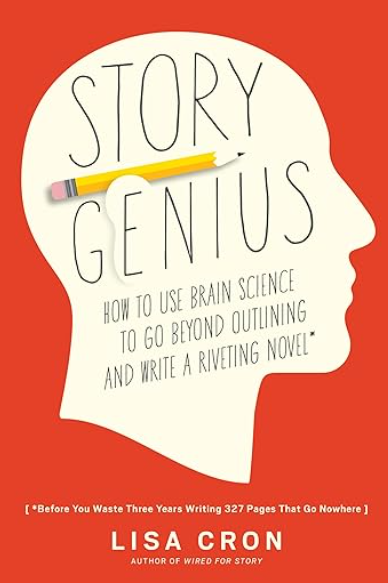
Few books challenge traditional outlining advice as effectively as Story Genius. Lisa Cron argues that many writers begin planning in the wrong place by focusing on plot before understanding why their story matters psychologically. Drawing from neuroscience and cognitive science, she demonstrates how character motivation, internal conflict, and worldview should become the foundation upon which every scene is built. Rather than asking, "What happens next?" Cron encourages writers to ask, "Why does this matter to my protagonist?" It's a perspective that can fundamentally change the way writers approach story development.
Best for: Writers who want to build emotionally resonant stories rooted in character psychology.
Buy at Bookshop.org or Amazon.com
The Elements of Style by William Strunk Jr. and E. B. White
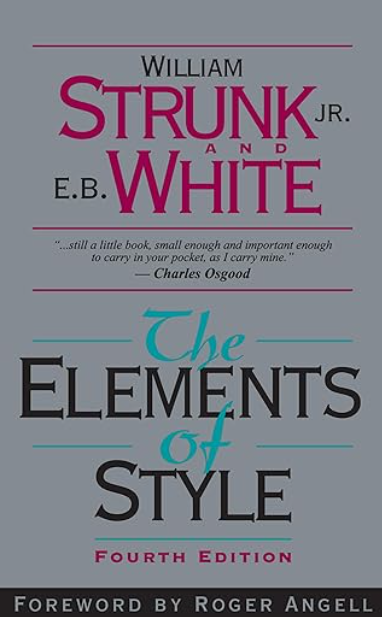
No discussion of writing books would be complete without The Elements of Style. For decades, it has served as a concise guide to grammar, usage, and stylistic principles, encouraging writers to favor clarity over complexity and precision over excess. While some of its advice reflects an earlier era of English usage and shouldn't be treated as absolute law, its central message remains remarkably relevant: good writing is often the result of thoughtful revision and careful attention to language. It's less a comprehensive grammar textbook than a handbook you'll find yourself reaching for whenever you need a quick reminder about the fundamentals.
Best for: Writers who want a reliable reference for grammar, usage, and stylistic clarity.
Buy at Bookshop.org or Amazon.com
Building Your Craft Library
No single book will teach you everything there is to know about writing, just as no single manuscript will teach you everything there is to know about storytelling. Becoming a stronger writer is a lifelong process of reading, practicing, revising, and remaining curious enough to keep learning. The books on this list each illuminate a different corner of the craft, and you'll likely find yourself returning to many of them at different stages of your writing journey, discovering something new every time.
Of course, reading about craft is only one part of becoming a better writer. At some point, every writer reaches the place where they need another set of experienced eyes on the work itself. Understanding story structure is one thing; applying it to your own manuscript is another. That's where thoughtful guidance, constructive feedback, and collaboration can make all the difference.
If you're ready to move beyond studying the craft and begin strengthening your own manuscript, I'd love to help. Whether you're looking for developmental editing, a manuscript evaluation, one-on-one writing mentorship, publishing guidance, or ghostwriting support, my goal is always the same: to help you create work that is authentic, emotionally resonant, and ready for readers.
Oh, and follow me on The Storygraph so we can read together. If you’re still using Goodreads as a book tracking app, check out my blog about why Goodreads is out and The Storygraph is in!
*This blog does contain affiliate links related to Bookshop.org and Amazon.com*